 RidgeSync
Altitude Sickness Prevention for Hiking: Acclimatize Before You Ascend
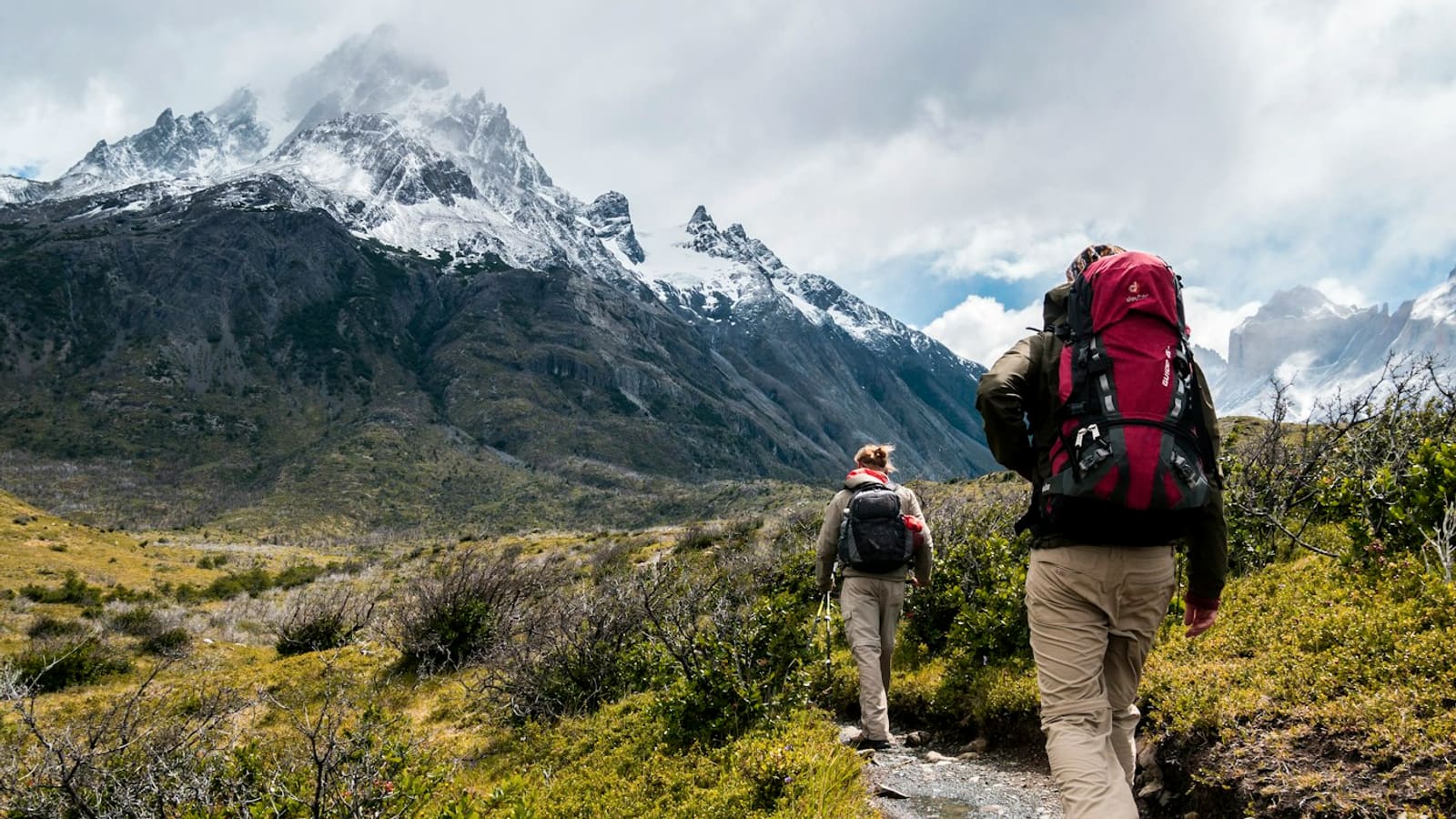
Altitude sickness prevention for hiking comes down to one rule: ascend slowly enough that your body can adjust to falling oxygen levels before you push higher. Above 10,000 feet, that means gaining no more than 1,000 to 1,500 feet of sleeping elevation per day and building in a rest day roughly every 3,000 feet of net gain.
Acute Mountain Sickness (AMS) hits a large share of people who ascend too fast above 8,000 feet, and it's almost entirely preventable with a sane pace, water, and honest self-assessment. The two dangerous forms, HACE and HAPE, are rare but can kill within a day if ignored, so knowing the warning signs matters as much as the pacing rules.
AMS, HACE, and HAPE: know the symptoms
Acute Mountain Sickness is the common, mild form: think of a bad hangover at altitude. It's uncomfortable but not immediately dangerous as long as you stop ascending and let your body catch up.
- AMS: headache plus at least one of nausea, fatigue, dizziness, or loss of appetite, typically starting 6 to 12 hours after arriving at a new altitude
- HACE (High Altitude Cerebral Edema): severe headache, confusion, loss of coordination (can't walk a straight line), and altered behavior; a medical emergency
- HAPE (High Altitude Pulmonary Edema): shortness of breath at rest, persistent cough, gurgling breath sounds, and extreme fatigue; also a medical emergency
- Both HACE and HAPE can progress from mild symptoms to life-threatening within hours and require immediate descent
Acclimatization pacing rules
The classic mountaineering guideline, climb high, sleep low, applies directly to backpacking: it's fine to hike to a higher elevation during the day as long as you descend to sleep at a lower one. Your sleeping elevation, not your daily high point, is what your body has to adjust to overnight.
- Above 8,000 to 10,000 feet, limit sleeping elevation gain to 1,000 to 1,500 feet per day
- Build in a rest day (no net elevation gain) roughly every 3,000 feet of cumulative gain
- If you fly or drive directly to a trailhead above 8,000 feet, spend a night at that elevation before starting a big climb rather than pushing higher immediately
- Symptoms of AMS mean stop ascending and hold your current elevation until they clear, they do not mean push through to camp
These numbers are guidelines, not guarantees. Individual susceptibility to altitude varies a lot and isn't reliably predicted by fitness level; a strong hiker can get hit as hard as a beginner.
Hydration and the habits that actually help
Altitude increases fluid loss through faster breathing and drier air, and dehydration makes AMS symptoms worse and harder to distinguish from the real thing. Aim for steady water intake through the day rather than large amounts at once, and go easy on alcohol on the first night at a new elevation, since it worsens symptoms and disrupts the sleep you need to acclimatize.
Avoid overexertion on your first day at a new altitude, eat enough (appetite often drops but calorie needs don't), and consider a rest day built into your itinerary if you're gaining elevation fast on a fixed schedule.
Descent is the treatment
For AMS, stopping ascent and resting at the same elevation for a day is often enough for mild symptoms to resolve. If symptoms worsen despite rest, or if you see any sign of HACE or HAPE, the treatment is immediate descent, not medication, not waiting it out, not pushing to a higher camp because it's closer.
Descending even 1,000 to 2,000 feet can produce noticeable improvement within hours. Don't let a fixed itinerary talk you into ignoring worsening symptoms; a planned summit day is not worth a medical emergency two nights above 12,000 feet.
Frequently asked questions
At what elevation does altitude sickness start?
AMS symptoms most commonly begin above 8,000 feet, though some people notice mild effects starting around 6,500 to 8,000 feet. Risk rises with both higher elevation and faster ascent rate.
What is the best way to prevent altitude sickness while hiking?
Ascend gradually: above 10,000 feet, limit sleeping elevation gain to 1,000 to 1,500 feet per day and take a rest day roughly every 3,000 feet of gain. Stay well hydrated, avoid alcohol the first night at a new elevation, and stop ascending at the first sign of symptoms.
What's the difference between AMS, HACE, and HAPE?
AMS is the common, mild form (headache, nausea, fatigue). HACE is swelling in the brain causing confusion and loss of coordination; HAPE is fluid in the lungs causing breathlessness at rest and persistent cough. Both HACE and HAPE are medical emergencies requiring immediate descent.
Can you keep hiking with mild altitude sickness?
With mild AMS, stop ascending and rest at your current elevation rather than continuing higher; many people improve within a day. Do not continue climbing if symptoms worsen, and descend immediately if you notice any HACE or HAPE warning signs like confusion or breathlessness at rest.
Does fitness level prevent altitude sickness?
No. Susceptibility to altitude is largely individual and doesn't correlate reliably with fitness or age. A strong, well-trained hiker can get AMS just as easily as a beginner, which is why pacing rules apply to everyone equally.