 RidgeSync
Backpacking Blister Prevention: Stop Them Before They Start
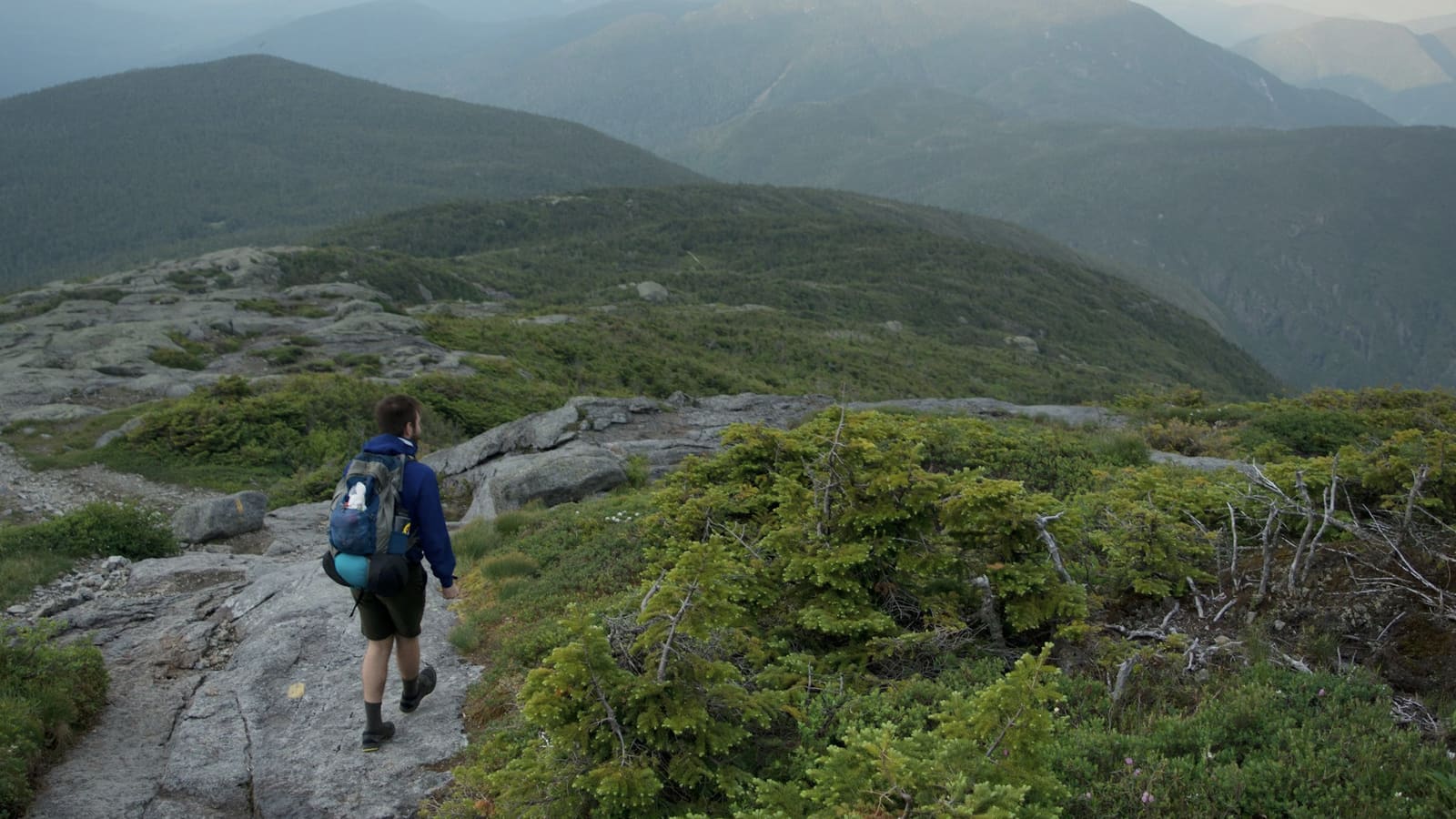
Blister prevention comes down to eliminating friction: footwear that fits correctly, socks that manage moisture, and treating a hot spot the moment you feel it, before it becomes a blister. Almost every backpacking blister traces back to one of these three failing, not bad luck or thin skin.
All three are fixable before you leave home. Here's how to set up your feet so blisters don't derail a trip, and what to do fast if one starts anyway.
Footwear fit matters more than footwear choice
Boots or trail shoes that are too small cause blisters on toes and toenail damage on descents. Too large, and your heel slides with every step, which is the single most common cause of heel blisters. The correct fit has roughly a thumb's width of space in front of your longest toe and a heel that doesn't lift or slide when you walk downhill.
Break in new footwear on short local hikes before a backpacking trip, never for the first time on trail. Feet also swell over the course of a long day and a multi-day trip, so footwear that fits perfectly at the store can feel tight by day three, which is worth sizing for in advance.
Socks and moisture management
- Wool or synthetic socks, never cotton, cotton holds moisture against skin and increases friction dramatically once wet
- A thin liner sock under a cushioned hiking sock reduces friction by letting the two layers slide against each other instead of your skin
- Change socks if they get soaked (stream crossing, heavy sweat, rain) rather than hiking for hours in wet fabric
- Keep one dry pair reserved strictly for sleeping, never worn during the day
Wet feet blister far faster than dry feet, both from softened skin and from the added friction of damp fabric. Moisture control is arguably a bigger lever than sock cushioning.
Catch hot spots before they become blisters
A hot spot, that first warm, slightly irritated feeling on skin, is your window to prevent a blister entirely. The moment you feel one, stop and address it, don't tell yourself you'll deal with it at the next break. A blister that's already formed takes days to heal; a hot spot caught early takes thirty seconds to fix.
Cover the spot with tape (leukotape or a similar low-stretch tape works better than standard adhesive bandages, which shift and bunch), or a purpose-made blister patch. Smooth it down completely so there are no wrinkles or edges that themselves create new friction points.
If a blister already formed
Small, unbroken blisters are usually best left intact and covered with a cushioned pad or blister-specific bandage that reduces further friction; the skin over the blister protects against infection. Larger blisters that are likely to pop from continued walking are sometimes better drained with a sterilized needle, leaving the skin on top in place as a natural bandage, then covered and monitored for infection.
Watch for redness spreading beyond the blister, increasing pain, or pus, which are signs of infection that warrant real attention, not just a bigger bandage. Carry blister-specific supplies (tape, pads, a small needle) in your first aid kit specifically because foot problems are one of the few issues that can genuinely end a trip early.
Frequently asked questions
What causes most backpacking blisters?
Poor footwear fit (too loose causing heel slide, too tight causing toe pressure) combined with wet or cotton socks. Both increase friction against skin, which is the direct cause of blister formation.
Should I pop a blister while backpacking?
Small blisters are usually best left intact and padded. Larger blisters likely to pop from continued walking are sometimes drained with a sterilized needle while leaving the top skin in place, then covered and monitored closely for infection.
What's the best way to prevent blisters before a trip?
Break in footwear on local hikes before your trip, use wool or synthetic socks (never cotton), and treat any hot spot with tape the moment you feel it rather than waiting for a break.