 RidgeSync
The Backpacking Gear Checklist: What to Pack for a Multi-Day Trip
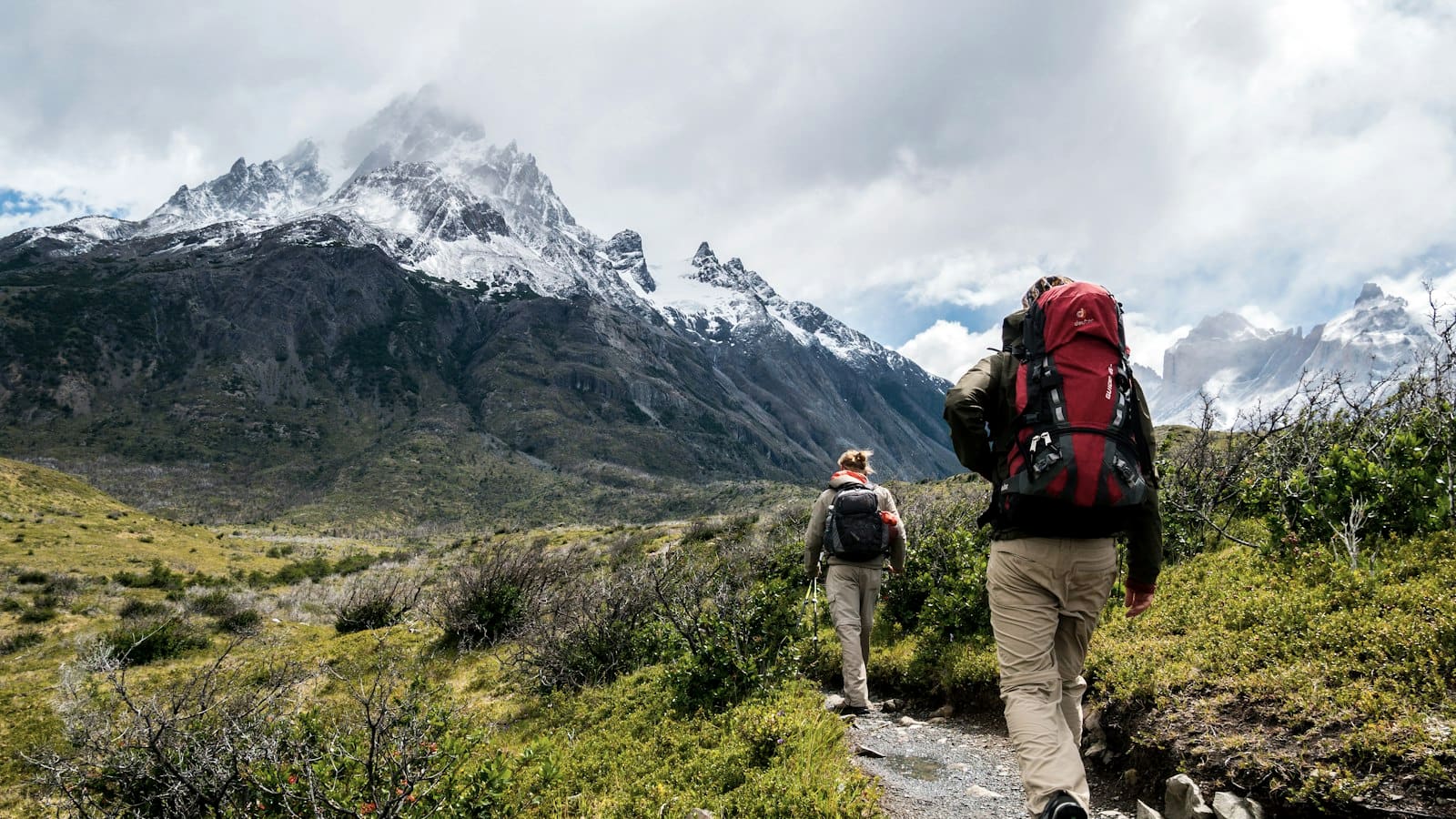
A solid backpacking gear checklist covers seven categories: the big three (pack, shelter, sleep system), clothing layers, cooking and water, navigation and safety, and the small items that ruin a trip if forgotten. Most gear failures on the trail trace back to skipping one of these categories rather than buying the wrong brand.
You don't need the lightest or most expensive version of everything. You need the right item in every category, sized correctly for the season and the length of your trip. Here's the checklist broken down so nothing gets missed.
The big three: pack, shelter, sleep system
These are your heaviest, most expensive items, and the ones worth researching before you buy. Your pack should fit your torso length (not your height) and carry your typical load comfortably, usually 40 to 65 liters for a multi-day trip depending on season and whether you carry a bear canister.
- Backpack sized to your trip length and torso, with a rain cover or pack liner
- Tent, tarp, or hammock system rated for the season, plus stakes and guylines
- Sleeping bag or quilt rated at least 10 degrees below the coldest night you expect
- Sleeping pad for insulation and comfort, with an R-value matched to the season
Buy these three first and buy them right. Everything else is easier to substitute or borrow.
Clothing layers, not just clothing
Think in layers rather than a pile of items: a moisture-wicking base layer, an insulating mid layer (fleece or synthetic puffy), and a waterproof-breathable shell. Add these to a base of hiking layers you already have, don't rebuild your whole wardrobe.
- Base layer top and bottom (synthetic or wool, never cotton)
- Insulating layer: fleece or a packable puffy jacket
- Waterproof rain shell, jacket at minimum, pants for wetter climates
- Hiking socks (wool or synthetic, plus one dry pair reserved for sleeping)
- Hat for sun, warm hat for cold nights, gloves in shoulder seasons
Cotton retains water and loses insulating power when wet, which is why it's the one fabric to leave home on any trip where rain or cold is possible.
Cooking, water, and food storage
Your cooking setup can be as simple as a canister stove and one pot, or as minimal as a cold-soak container with no stove at all. Water treatment is not optional: filter, chemical treatment, or UV, chosen for the water sources on your specific route.
- Stove, fuel, pot, and a long spoon (skip the fork and knife, most backpackers don't need them)
- Water filter or treatment method, plus a backup (tablets weigh nothing and don't fail mechanically)
- Water storage: bottles or a reservoir sized to the longest dry stretch on your route
- Food storage appropriate to the area: bear canister, Ursack, or hang kit
Navigation, safety, and the small items people forget
A map and a way to navigate that doesn't depend on a single phone battery is non-negotiable. Beyond that, the items that get left behind are almost always small: a headlamp with fresh batteries, a first aid kit, sun protection, and a way to repair gear on the trail.
- Map (paper or offline on your phone) and a compass or GPS you know how to use
- Headlamp plus spare batteries or a way to recharge
- First aid kit including blister care and any personal medication
- Sun protection: sunscreen, sunglasses, and a brimmed hat
- Repair kit: duct tape, a few zip ties, and a sewing needle with thread
- Trowel for catholes, hand sanitizer, and toilet paper in a sealed bag
None of these items are heavy or expensive, which is exactly why they're easy to forget when you're focused on the big-ticket gear.
Frequently asked questions
What is the most commonly forgotten backpacking item?
Spare headlamp batteries and a repair kit (duct tape, zip ties, a needle and thread) are the most frequently skipped items. They're small, cheap, and easy to overlook until you actually need them on the trail.
Do I need a water filter if the water looks clean?
Yes. Clear water can still carry giardia, bacteria, and other pathogens invisible to the eye. Always treat water from natural sources with a filter, chemical treatment, or UV device, even if it looks pristine.
How do I know what size backpack I need?
Match liters to trip length and season: roughly 40 to 50 liters for a short warm-weather trip, 55 to 65 liters for longer trips or cold-weather gear, and more if you're carrying a bear canister or winter equipment.