 RidgeSync
Backpacking Layering System: Base, Mid, and Shell
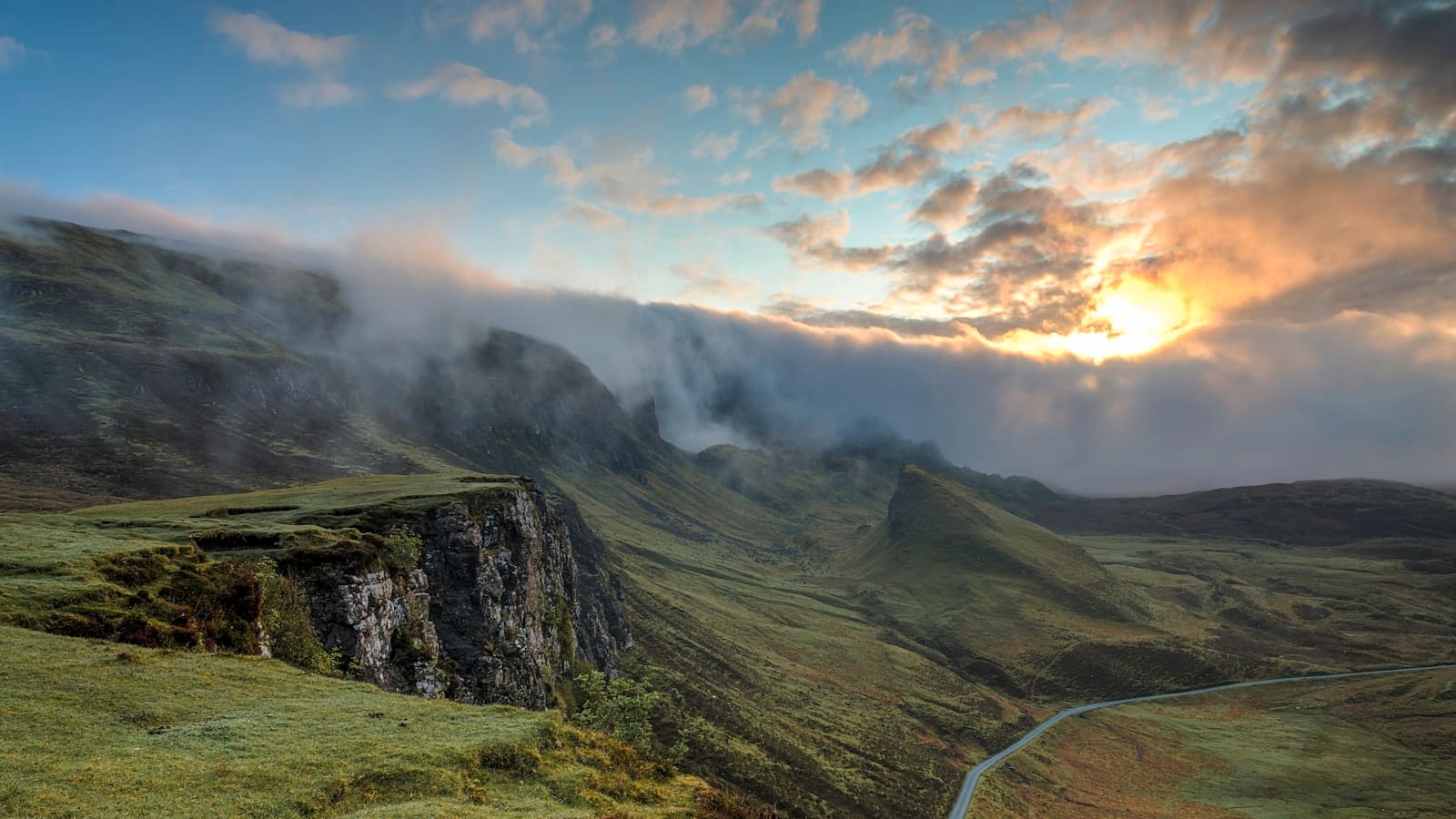
A layering system beats a pile of individual jackets and shirts because it lets a small number of pieces cover a wide range of conditions, you add and remove layers as effort and weather change, rather than owning one outfit for every possible temperature. The system has three roles: base (moisture management against your skin), mid (insulation), and shell (weather protection), and each layer should do its one job well rather than trying to do all three at once.
Most overpacking mistakes with clothing come from buying pieces that overlap in function instead of covering a genuinely new one, understand the three roles and it's obvious what you're actually missing.
Base layer: manage moisture, not warmth
The base layer's job is moving sweat off your skin, not providing warmth, wet skin loses heat far faster than dry skin, so this layer matters even in mild weather. Merino wool and synthetic fabrics both work well; merino resists odor better over multiple days without washing, while synthetics dry faster and cost less.
Skip cotton entirely for base layers, it absorbs and holds moisture rather than moving it, and stays cold and wet against your skin long after synthetic or wool would have dried, this is the single most repeated piece of backpacking clothing advice for good reason.
Mid layer: the adjustable insulation
- Fleece: breathable, keeps some warmth when damp, dries reasonably fast, a solid all-around choice for active insulation while moving
- Down insulated jacket: best warmth-to-weight ratio for a static camp layer, but loses insulating power when wet, better for cold-dry conditions or as a camp-only piece kept dry in your pack
- Synthetic insulated jacket: keeps insulating (imperfectly) when damp, heavier than down for the same warmth, a safer choice for wet climates
- Most backpackers carry one active mid layer (fleece or a light synthetic) for hiking in cool conditions, plus one static insulated layer for camp, rather than several overlapping options
Shell layer: keep weather out
The shell's job is blocking wind and rain, and a good one is breathable enough that you're not just trading external wet for internal sweat. A waterproof-breathable rain shell (with pit zips or similar ventilation) is the standard for three-season backpacking, while a lighter wind shell alone can suffice in dry climates with high UV and wind but low rain risk.
Fit matters here more than in other layers: a shell needs enough room underneath for your mid layer without restricting movement, but not so much room that wind gets underneath and defeats the purpose.
Adjusting layers on the move
The core skill of a layering system is adjusting before you're already too hot or too cold: shed the mid layer before a climb starts, not five minutes in once you're sweating, and add it back at the top before you've cooled down and started shivering. Regulate at the extremities first when you can, rolling up sleeves, opening pit zips, or swapping a warm hat for a lighter one is often enough without a full layer change.
Camp is a different problem than hiking: your effort drops to near zero right as the temperature often drops too (especially at elevation), so plan to add your static insulated layer as soon as you stop moving, before you feel cold, not after.
Building a system, not a pile
Count roles, not garments, when packing: one base, one active mid, one static insulated piece, one shell, and you likely have every temperature range on a typical trip covered without a single redundant item. Add a layer only when it covers a condition your current system genuinely doesn't handle (real cold, sustained rain, bugs), not because it seems generally useful.
This is also where trip-specific planning pays off: a route with a cold, exposed ridge day needs a warmer static layer than a low-elevation summer trip, matching your layering system to the actual forecast and terrain beats a one-size-fits-all packing list.
Frequently asked questions
What are the three layers in a backpacking layering system?
Base (moisture management against skin), mid (insulation), and shell (wind and rain protection). Each layer does one job, and you add or remove them as effort and weather change rather than dressing for one fixed temperature.
Why is cotton bad for backpacking base layers?
Cotton absorbs sweat and holds onto it instead of moving it away from your skin, staying cold and wet long after a synthetic or merino wool base layer would have dried, which matters even in mild conditions.
Should I bring a down or synthetic insulated jacket?
Down offers the best warmth-to-weight ratio for cold, dry conditions and camp use, but loses insulating power when wet. Synthetic keeps insulating when damp and suits wet climates better, at a small weight penalty.
How many layers do I actually need to pack?
Most trips are covered by one base layer, one active mid layer like fleece, one static insulated piece for camp, and one rain or wind shell, four roles rather than a pile of overlapping garments.