 RidgeSync
Cold Weather Backpacking: Layering, Sleep Systems, and Staying Warm Overnight
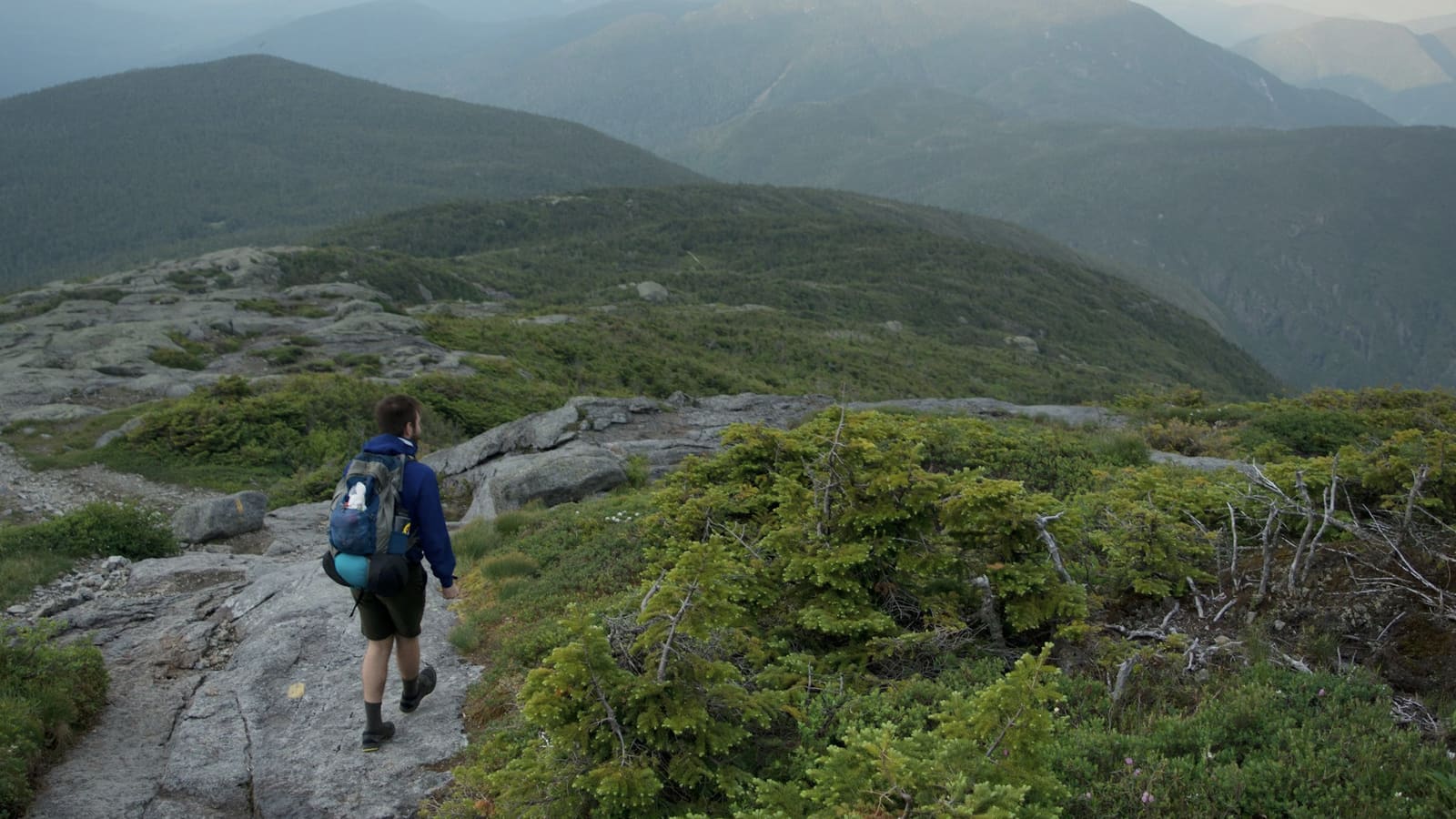
Cold weather backpacking comes down to managing moisture and insulation at the same time: staying dry while you move, layering so you can add or shed warmth before you're already cold, and using a sleep system rated well below the coldest night you expect. Most cold-weather problems come from sweat trapped in clothing, not from the temperature itself.
Below freezing adds real logistics too, frozen water, cold-soaked stoves, and shorter margins if something goes wrong. Here's the system that handles all of it.
Layer for moving, not for standing still
The classic mistake is dressing for how cold you feel at the trailhead, then overheating and sweating through your insulation twenty minutes in. Start slightly cool, in a base layer and light shell, and only add insulation at breaks. Wet clothing from sweat loses most of its warmth and takes energy to dry, which you don't want to spend in the cold.
Carry a dedicated dry layer that stays in your pack while you hike and only comes out at camp or breaks: a puffy jacket that's never been sweated in is dramatically warmer than one that has.
Build a sleep system rated below what you expect
- Choose a sleeping bag rated at least 10 to 15 degrees colder than the lowest temperature you expect, since 'comfort' ratings on labels are often optimistic for most sleepers
- Insulation underneath matters as much as the bag: a sleeping pad's R-value, not just the bag's rating, determines how much warmth you lose to the ground
- A liner or extra pad stacked underneath adds meaningful warmth cheaply if you're borderline on either piece
- Sleep in dry clothes reserved only for sleeping, never the layers you hiked in, and keep a hat on, since heat loss through the head is significant
Manage water and fuel before they freeze on you
Water bottles and filters can freeze solid overnight below freezing. Sleep with water bottles inside your sleeping bag or insulated in your pack, store filters where they won't freeze (a frozen filter membrane can crack and fail silently), and know that most gravity and squeeze filters need to stay above freezing to keep working.
Canister stoves lose pressure and performance in the cold; keep the canister warm in a jacket pocket before use, or switch to a liquid-fuel stove for consistently sub-freezing trips. Melting snow for water works but takes real fuel and time, budget for it in your fuel calculations.
Know the early signs of cold-related problems
Hypothermia often starts subtly: shivering, poor coordination, and slurred or slow speech, sometimes paired with confusion or unusual clumsiness. The person affected frequently doesn't recognize it themselves, which is why groups should watch each other, not just their own comfort.
Frostbite starts as numbness and waxy, pale skin, most often on fingers, toes, nose, and ears. Both conditions are far easier to reverse caught early: get the person dry, insulated, and if possible into warm shelter or a warm drink at the first signs, rather than waiting to see if it gets worse.
Adjust your daily plan for shorter, colder days
Cold-weather trips need more conservative mileage planning: daylight is shorter, snow or ice slows travel, and setting up camp and melting water both take longer than in summer conditions. Plan to have camp set up well before dark, since doing it with cold hands and a headlamp takes far longer.
Food planning shifts too: your body burns more calories staying warm, so pack more calorie-dense food than you would for the same mileage in mild weather, and keep quick, no-cook snacks accessible for breaks when stopping to cook feels like too much effort.
Frequently asked questions
How much colder should my sleeping bag rating be than the forecast low?
A common rule is to choose a bag rated 10 to 15 degrees colder than the lowest temperature you expect, since manufacturer 'comfort' ratings vary and most people sleep colder than the label suggests, especially without a high R-value pad underneath.
Why does my water filter stop working in cold weather?
Most filter membranes can crack if the water inside freezes, and the damage isn't always visible, meaning the filter can fail to remove pathogens afterward without any obvious sign. Keep filters insulated and never let them freeze.
What are the earliest signs of hypothermia?
Shivering, clumsiness, and slowed or slurred speech are early signs, often alongside mild confusion. It's common for the affected person not to notice it themselves, so groups should actively check on each other in cold conditions.
Do canister stoves work in freezing temperatures?
They lose pressure and can struggle to ignite reliably as temperatures drop, especially once the canister itself gets cold-soaked. Keeping the canister warm in a pocket before use helps; for consistently sub-freezing trips, a liquid-fuel stove performs more reliably.