 RidgeSync
Hiking in Hot Weather: How to Stay Safe on Hot-Weather Trails
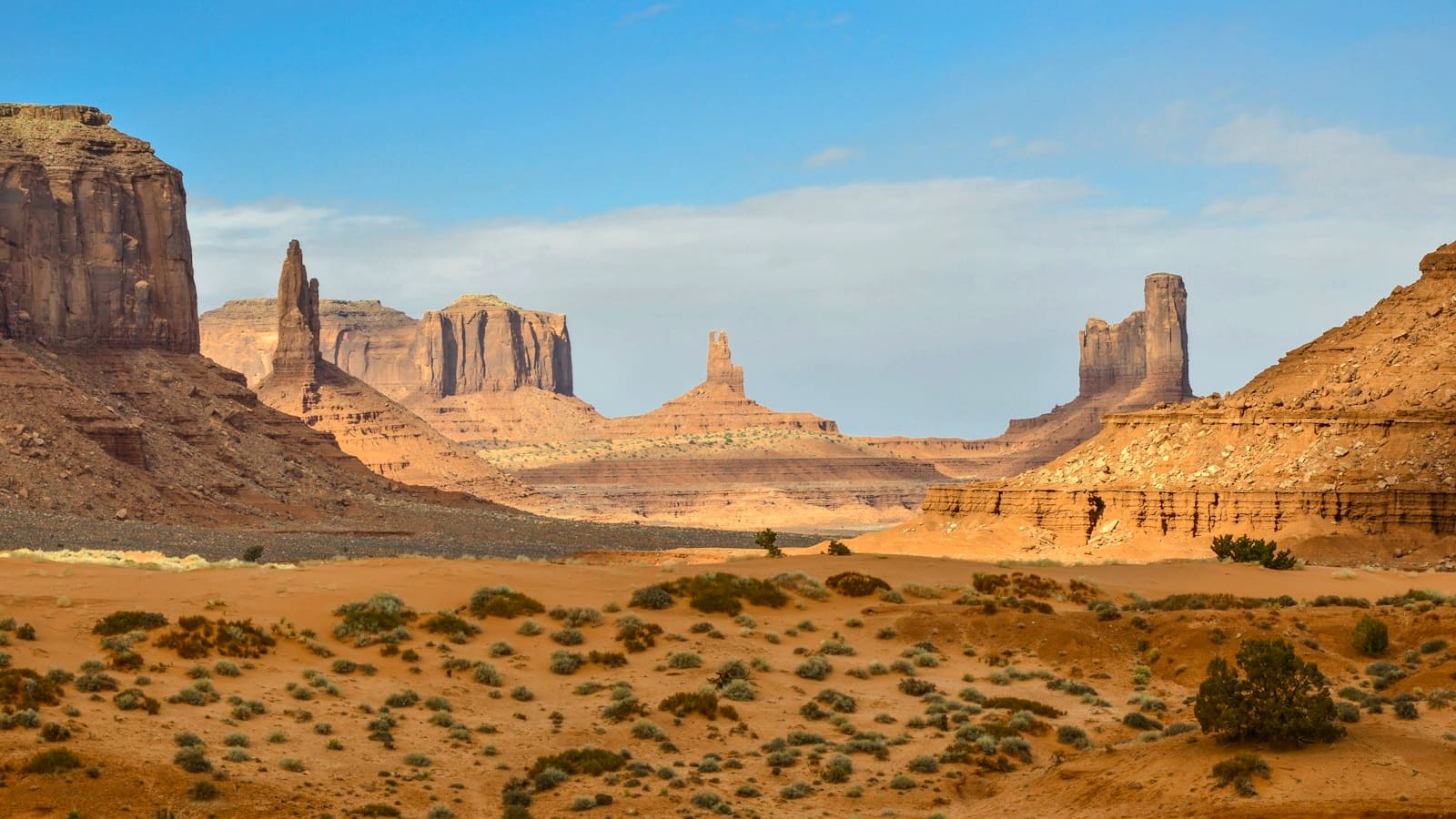
Hiking in hot weather comes down to three things: starting early to avoid peak heat, drinking 0.5 to 1 liter of water per hour with electrolytes mixed in, and recognizing heat exhaustion before it progresses to heat stroke, which is a life-threatening emergency. Temperatures above 85°F with direct sun raise your risk fast, especially on exposed desert or alpine terrain with no shade.
Most heat illness on trail is preventable with timing and hydration, not toughness. Here's how to plan the hike and what to watch for once you're on it.
Heat exhaustion vs. heat stroke
Heat exhaustion is your body's warning stage: heavy sweating, cool clammy skin, headache, nausea, dizziness, and muscle cramps. It's uncomfortable but reversible if you stop, cool down, and rehydrate in the shade for 30 to 60 minutes.
Heat stroke is a medical emergency. The hallmark signs are hot, dry or flushed skin (sweating may have stopped), a body temperature above 103°F, confusion, slurred speech, or loss of consciousness. If you or a hiking partner shows these signs, cool the person immediately with water and shade, and call for emergency help or evacuate without delay. Heat stroke can cause organ damage or death within hours if untreated.
Time your hike around the heat, not against it
In hot regions, start pre-dawn so you cover the most exposed miles before 10 a.m. Treat the window from roughly 11 a.m. to 3 p.m. as a mandatory siesta: find shade, rest, eat, and let the worst heat pass rather than pushing through it.
- Start hiking 1 to 2 hours before sunrise on exposed or desert routes
- Rest in shade during the 11–3 heat peak; resume in late afternoon or hike into evening
- Save summit pushes and steep climbs for the cool morning hours
- Check the forecast for your route the night before; a heat advisory changes your start time, not just your gear
Water, electrolytes, and clothing
Plan on 0.5 to 1 liter of water per hour of hiking in heat, more on steep climbs or in direct sun with no shade. Water alone isn't enough past a couple of hours of heavy sweating; add electrolytes (sodium, potassium) through tablets, powder, or salty snacks to prevent cramping and hyponatremia from drinking plain water without replacing salt.
Light-colored, loose-fitting, breathable clothing reflects sun and lets sweat evaporate. A wide-brim hat, sunglasses, and sunscreen reduce direct heat load, and a bandana soaked in water and worn around your neck provides real, if temporary, cooling. Seek shade for every break instead of resting in direct sun.
Acclimatize before pushing big miles in heat
Your body adapts to heat over 10 to 14 days of repeated exposure, sweating more efficiently and at a lower core temperature. If you're traveling from a cool climate to a hot one, plan shorter, easier days early in a trip rather than starting with your biggest mileage day.
Fitness in cool conditions doesn't transfer directly to heat tolerance; the two adapt separately. When you're building out a multi-day itinerary in RidgeSync, front-load lighter days in hot terrain and check the per-day forecast along your route so you know which days need an early start.
Frequently asked questions
What is the difference between heat exhaustion and heat stroke?
Heat exhaustion causes heavy sweating, cool clammy skin, and dizziness, and is reversible with rest, shade, and fluids. Heat stroke is a medical emergency with hot dry skin, confusion, and body temperature above 103°F; it requires immediate cooling and emergency evacuation.
How much water should I drink hiking in hot weather?
Plan on 0.5 to 1 liter per hour of hiking, more on steep or fully exposed terrain. Pair water with electrolytes rather than drinking plain water for hours, which can dilute your sodium levels.
What time of day is safest to hike in the heat?
Start 1 to 2 hours before sunrise so you finish the most exposed miles before mid-morning, then treat 11 a.m. to 3 p.m. as a rest window in shade before resuming in late afternoon.
How long does it take to acclimatize to hiking in heat?
Most people adapt meaningfully over 10 to 14 days of repeated heat exposure. Plan lighter mileage during the first few days of a hot-weather trip rather than starting at full pace.
When should I call for help during a hot-weather hike?
Call for emergency help immediately if anyone shows signs of heat stroke: hot dry skin, confusion, or loss of consciousness. Don't wait to see if it passes on its own; cool the person and evacuate or get emergency services moving right away.