 RidgeSync
How to Find Water on Trail When Sources Run Dry
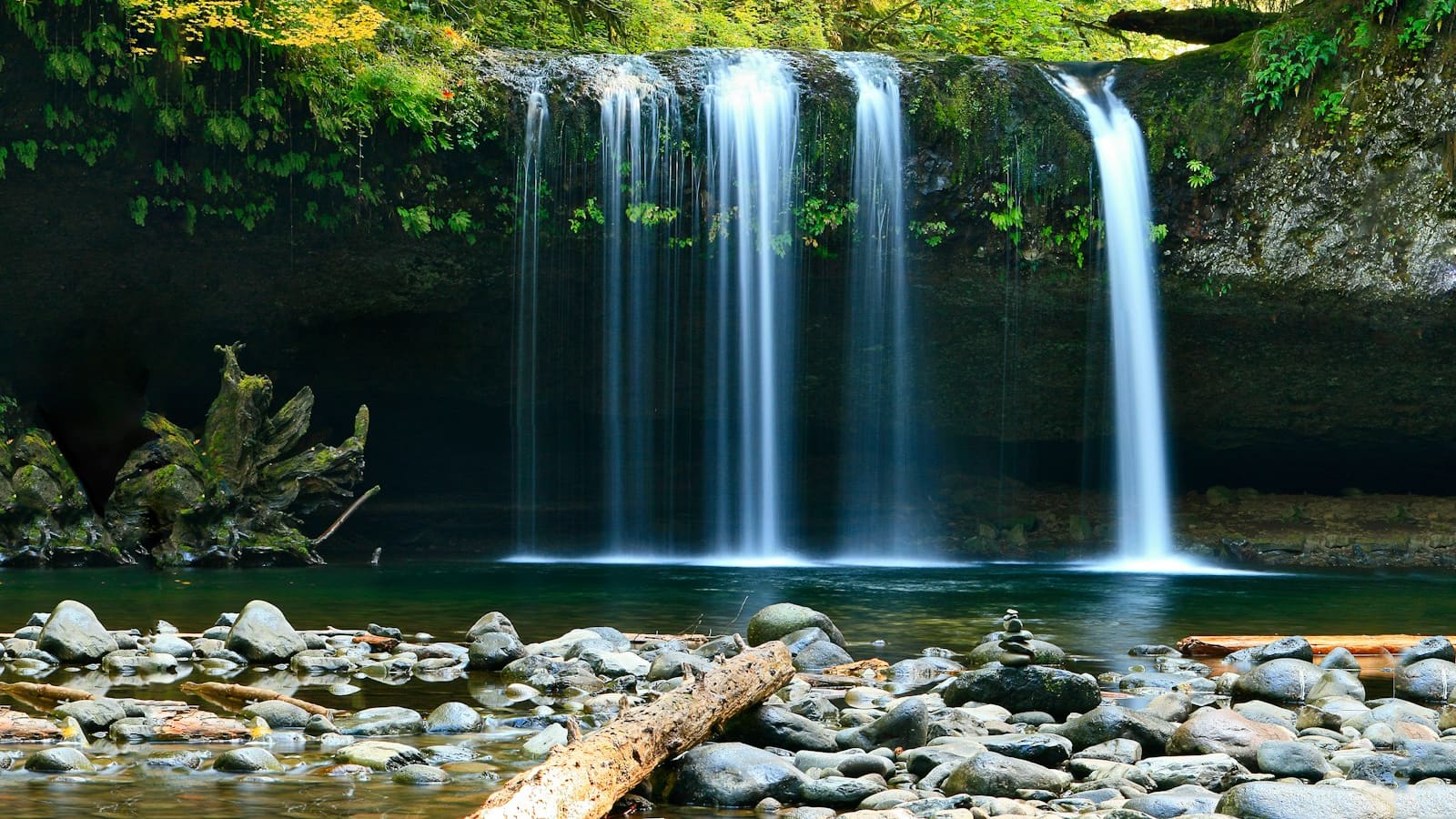
Finding water on trail is mostly a planning problem, not a survival skill you improvise in the moment. Most of the time, the work happens before you leave: knowing which sources on your route are reliable, which run dry by late summer, and how far apart they are, so you're never caught deciding between backtracking or pushing on with an empty bottle.
The improvised skills matter too, for the days when a marked source turns out to be dry, but they're a backup, not the plan.
Plan sources before you're thirsty
Start with a topo map or a route-planning tool and mark every stream, lake, and spring along your route, then cross-check seasonal reliability where you can, guidebooks, recent trip reports, and ranger stations are all more current than a map symbol, which shows where water can be, not where it currently is. A blue line on a map is a historical average, not a guarantee.
Note the gaps: any stretch longer than a few hours between marked sources deserves a specific plan, how much you'll carry leaving the last reliable source, and what you'll do if it's dry when you get there.
Reading terrain when a source is dry
- Follow drainages downhill, water collects in low points even when the specific spot you expected has dried; a dry streambed often has water somewhere further down its course
- Look for green, healthy vegetation out of place with the surrounding dry terrain, it's often a sign of water at or just below the surface
- Check the base of rock faces and canyon walls, seeps and springs often emerge where impermeable rock meets more porous ground
- In snow country, look for late-season snowfields and their melt streams at higher elevation, often reliable well after lower sources dry up
- Animal trails converging toward a point, and insect activity (especially in early morning), can both indicate water nearby
Seasonal and regional reliability
The same source can be a raging creek in June and a dry gully in September, snowmelt-fed sources in mountain ranges are the most seasonally variable, while larger rivers and named lakes tend to be reliable much later into the season. Desert and canyon terrain flips the risk profile entirely: seasonal reliability matters less than the sheer scarcity of any source at all, and a wrong assumption there is a much bigger problem than in a well-watered mountain range.
When you're unsure, ask people coming from the direction you're headed, current, on-the-ground reports from the last day or two beat any map or app for a specific source's status right now.
Carrying enough for the gaps
Water weighs about 2.2 lb per liter, so carrying capacity is a real tradeoff against pack weight, plan to carry only as much as gets you comfortably to the next reliable source, with a safety margin for a hot day or a slower pace than expected, not maximum capacity for the whole day. On a known long dry stretch, that safety margin should grow, and starting the stretch with a full supply from the last known-good source matters more than usual.
Whatever you find, treat it. Even the cleanest-looking mountain stream can carry giardia or other pathogens from upstream wildlife or people; carry a filter, chemical treatment, or UV method and use it on every source, including ones you'd swear look clean enough to drink.
Frequently asked questions
How do I find water when a marked source is dry on trail?
Follow drainages downhill since water collects at low points, look for unusually green vegetation, check seeps at the base of rock faces, and in snow country look higher for late-season melt. Recent trip reports from other hikers are also a strong signal.
How do I know if a water source will be reliable?
Larger rivers and named lakes tend to stay reliable longest; smaller snowmelt-fed streams in mountain terrain dry up fastest by late summer. Cross-check a map against recent trip reports or ranger information rather than trusting the map symbol alone.
How much water should I carry between sources?
Enough to comfortably reach the next reliable source plus a safety margin for heat or a slower pace, rather than maximum capacity for the whole day. Water weighs about 2.2 lb per liter, so overcarrying has a real cost.
Do I need to treat water from a clean-looking mountain stream?
Yes, always. Even clear, fast-moving water can carry giardia or other pathogens from upstream wildlife or people, and there's no way to tell by looking. Filter, chemically treat, or UV-treat every source.