 RidgeSync
Hypothermia Prevention Hiking: Staying Warm and Dry on Trail
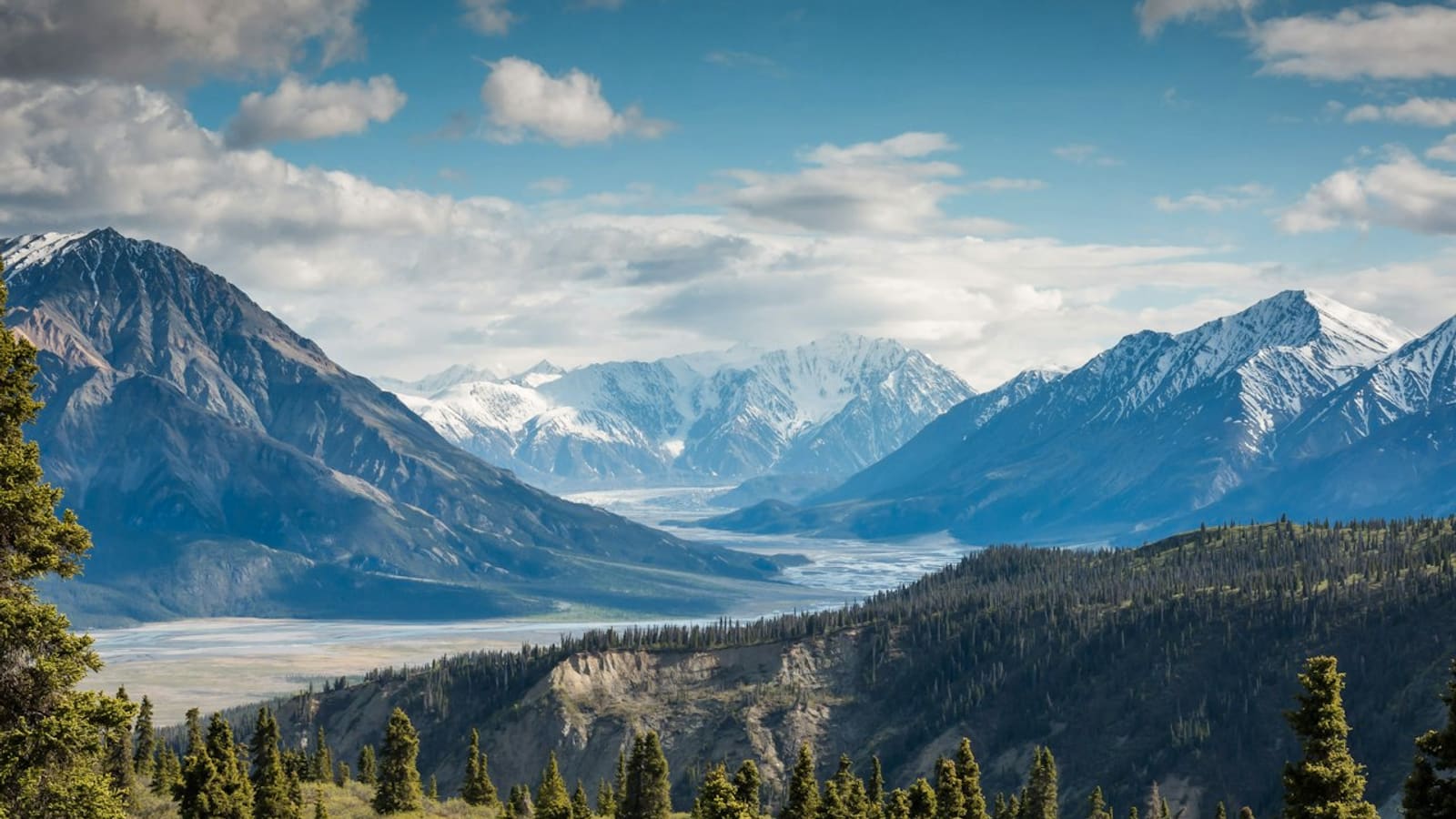
Hypothermia prevention on a hike comes down to staying dry, staying out of wind, and catching the earliest signs before your judgment starts to fail. Most hiking hypothermia happens not in extreme cold but in the 30 to 50°F range with wet, windy conditions, exactly the weather that lulls people into thinking they don't need to worry.
Cotton clothing, wet skin, and wind chill are a faster path to trouble than a dry, still day at 10°F. Here's how to prevent it and what to do if it starts.
The danger zone: 30–50°F, wet, and windy
Deep cold gets respect; damp, moderately cool weather doesn't, which is exactly why it causes more hypothermia cases. Between roughly 30 and 50°F, rain or wet snow soaks clothing, wind strips heat away through evaporation, and hikers often keep moving in wet gear because it 'isn't that cold,' losing core temperature the whole time.
Wind chill matters as much as air temperature: a 40°F day with 20 mph wind and wet clothing can pull heat away faster than a calm, dry day well below freezing.
Recognize the umbles
The 'umbles' are the classic early warning signs of hypothermia, and they're easiest for a hiking partner to spot before the person experiencing them notices:
- Stumbles: loss of coordination, tripping on flat ground, fumbling with gear
- Mumbles: slurred or slowed speech
- Fumbles: clumsy hands, trouble with zippers, buckles, or simple tasks
- Grumbles: unusual irritability, confusion, or apathy about the situation
Anyone showing two or more of these needs to stop, add insulation, and rewarm immediately, even if they insist they're fine, confusion and denial are hallmark symptoms of hypothermia itself.
Stay dry: the core prevention strategy
Cotton kills is old advice for a reason: cotton absorbs water, loses almost all insulating value when wet, and stays wet for hours. Wear wool or synthetic base layers, a windproof outer shell, and rain gear you actually put on before you're soaked, not after.
Manage moisture from both directions: sweat from overexertion is as dangerous as rain, so vent layers or slow your pace on climbs rather than arriving at a break already damp. Change out of wet socks and base layers at camp, and keep one full dry layer set reserved strictly for sleeping and emergencies.
Rewarming and emergency response
For mild hypothermia (shivering, umbles present, still alert): get the person out of wind and wet clothing, into dry insulating layers, and give warm sugary fluids and food if they're able to swallow normally. Shivering is actually a good sign, it means the body is still generating heat.
For moderate to severe hypothermia (violent or absent shivering, confusion, slurred speech, drowsiness): this is a medical emergency. Insulate the person from the ground, add dry layers and a sleeping bag, apply gentle warmth at the neck, armpits, and groin, and evacuate or call for emergency help immediately. Don't rub limbs vigorously or give alcohol, both can worsen the situation. Hypothermia can become fatal quickly once shivering stops, so err heavily on the side of getting help early.
Frequently asked questions
What temperature does hypothermia happen while hiking?
Most hiking hypothermia occurs in the 30 to 50°F range combined with wet clothing and wind, not in extreme cold. Wind and moisture pull heat away far faster than temperature alone.
What are the early signs of hypothermia?
The 'umbles': stumbles (poor coordination), mumbles (slurred speech), fumbles (clumsy hands), and grumbles (irritability or confusion). Two or more together mean it's time to stop and rewarm.
Why is cotton clothing dangerous in cold weather?
Cotton absorbs water, loses nearly all insulating value once wet, and stays wet for hours against skin. Wool or synthetic layers stay warmer even when damp, which is why 'cotton kills' is standard hiking advice.
How do you treat hypothermia on the trail?
For mild cases, get the person dry, out of wind, into insulating layers, and give warm food or drink if they can swallow normally. For moderate to severe cases with confusion or violent shivering, insulate them, apply gentle warmth at the core, and evacuate or call for emergency help immediately.
When should you call for help for hypothermia?
Call for help immediately if shivering stops while someone is still cold, or if confusion, slurred speech, or drowsiness appears. These are signs of moderate to severe hypothermia, which can turn fatal quickly without treatment.