 RidgeSync
Leave No Trace Camping: Choosing and Setting Up a Low-Impact Camp
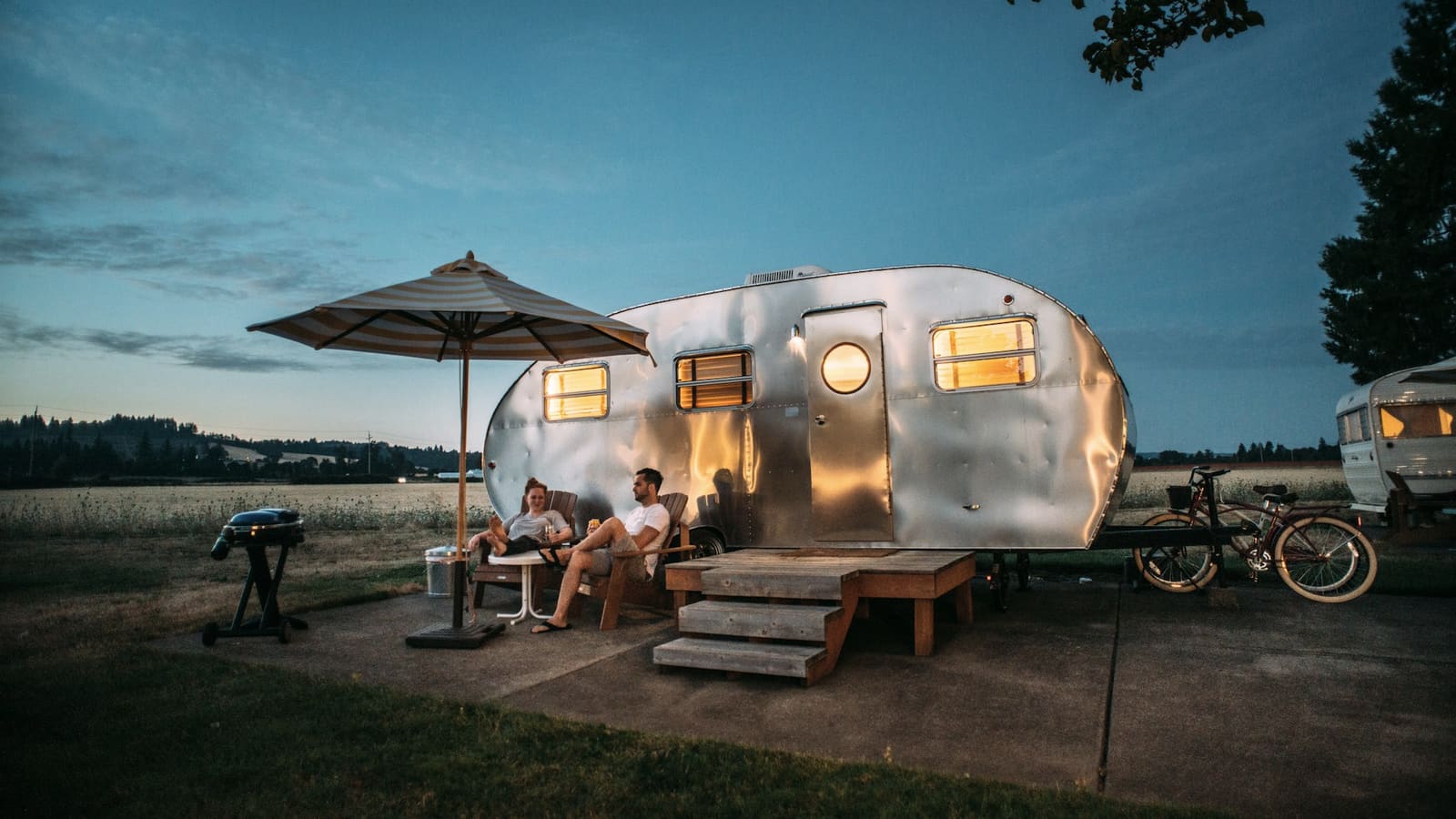
Leave no trace as a set of principles is broad, but leave no trace camping specifically is about one decision repeated every evening of a trip: where and how you set up for the night. A well-chosen camp leaves no evidence you were there; a poorly chosen one becomes a scar that widens with every hiker who camps there after you, mistaking your flattened ground for an established site.
This is the practical, camp-specific slice of Leave No Trace: finding a durable site, laying it out correctly, and leaving it as if no one had stopped there at all.
Established sites vs dispersed camping
Where designated or well-established campsites exist, use them, concentrating impact on ground that's already durable is better than spreading new impact across untouched vegetation, even if the established site looks a little worn. Look for existing sites with hardened, vegetation-free ground, a fire ring if fires are legal, and a footprint that hasn't grown in years.
Where no established site exists (true dispersed or cross-country camping), the goal flips: spread impact thin and choose ground so durable that a single night leaves no trace at all, rock, gravel, sand, or dry, resilient grass rather than soft meadow or fragile alpine tundra.
The 200-foot rule and picking the actual spot
Camp at least 200 feet, about 70 adult paces, from lakes and streams unless a designated site is legally closer, this protects fragile shoreline vegetation and keeps waste and gray water well clear of water sources. The same distance applies to trails where practical, so your camp doesn't become a visible, and eventually worn, feature for every hiker who passes.
Beyond distance, look for flat ground that already drains (never trench around a tent to redirect water) and existing bare patches rather than clearing vegetation or moving rocks and logs to make a spot work. If you have to modify the ground to camp there, it's the wrong spot.
Group layout and minimizing footprint
- Keep tents on already-impacted or durable ground, spread across existing bare spots rather than clustered on one patch of vegetation
- Use a single, efficient path between tents and the kitchen area instead of everyone cutting their own route through the brush
- Larger groups should spread out more, not concentrate more, several small durable spots beat one badly trampled big one
- Keep the kitchen area on rock, sand, or gravel where spills and crumbs cause the least harm, and away from water per the same 200-foot guideline
Leaving before anyone can tell you were there
Before you break camp, walk the site and pick up every micro-trash item, a dropped bit of foil, a stray tent stake, a strand of cord. Fluff up any matted grass under a tent footprint and scatter it if it stayed compressed, and replace any rocks or debris you moved when you arrived, though ideally you moved none.
The test for a good leave no trace camp is simple: could the next person find your exact spot without you telling them where it was? At a truly dispersed site, the honest answer should be no.
Frequently asked questions
How far from water should I set up camp?
At least 200 feet, roughly 70 adult paces, from lakes and streams, unless a designated legal site sits closer. This protects fragile shoreline vegetation and keeps waste and gray water away from water sources.
Should I use an existing campsite or make a new one?
Use an existing, established site whenever one is available and durable, concentrating impact there is better than spreading new impact. Only disperse to untouched ground when no established site exists, and choose the most durable surface you can find.
What makes a campsite durable for leave no trace camping?
Rock, gravel, sand, and dry, resilient grass hold up best to a night of foot traffic and tent weight. Soft meadow, wet ground, and especially alpine tundra are fragile and can show damage for years from a single night's camp.
How do I leave a dispersed campsite with no trace?
Pick up every scrap of micro-trash, fluff up any matted-down vegetation, replace anything you moved, and choose ground durable enough that a single night leaves no visible sign at all once you've packed up.