 RidgeSync
The 7 Leave No Trace Principles, Explained for Backpackers
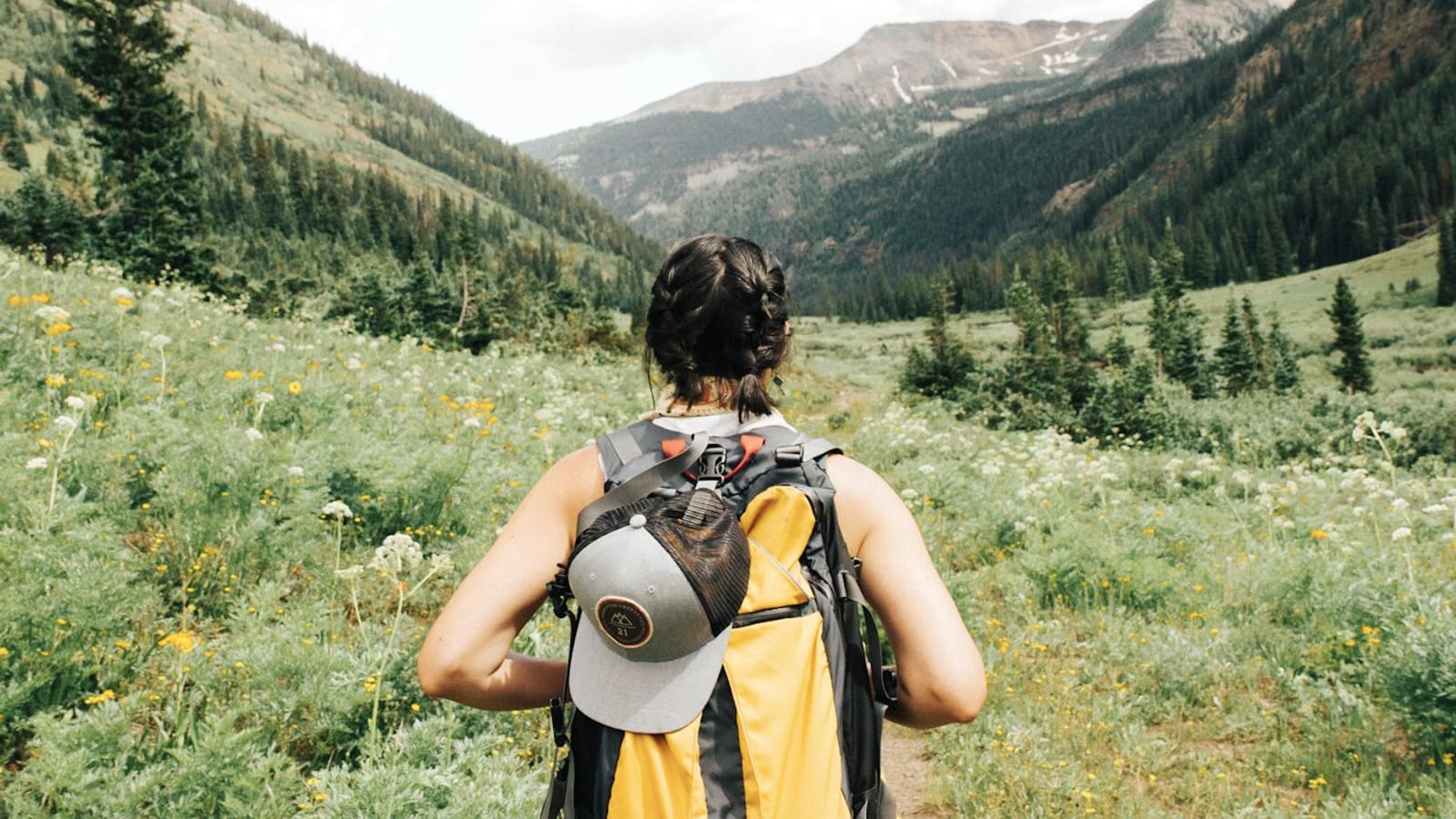
Leave No Trace is seven principles: plan ahead and prepare, travel and camp on durable surfaces, dispose of waste properly, leave what you find, minimize campfire impacts, respect wildlife, and be considerate of other visitors. For backpackers they aren't abstract ethics, they're concrete decisions you make roughly a dozen times a day, and most of them are decided before you leave the house.
Here's what each principle actually means on a multi-day trip, with the specific behaviors that matter most.
Principle 1 is a planning principle
Plan ahead and prepare is listed first because it prevents the failures that cause the rest. Groups that run out of daylight camp on fragile ground. Hikers who didn't check fire regulations light illegal fires. Parties that misjudged mileage take shortcuts across switchbacks.
Knowing your daily mileage, your legal campsites, the fire rules, and the food storage requirements for every section of your route is Leave No Trace, executed in advance. This is the part of LNT a trip planner can actually do for you.
Camp and travel on durable surfaces
Stay on the trail, even when it's muddy: walking the edges widens trails permanently, and in alpine zones a single boot line through vegetation can persist for decades. In camp, use established sites where they exist, rock, gravel, sand, or dry grass where they don't, and keep camp at least 200 feet from water unless designated sites say otherwise.
The good campsite rule: great sites are found, not made. If you have to move rocks, clear vegetation, or trench anything, it's the wrong spot.
Waste: the unglamorous principle that matters most
- Pack out all trash, including food scraps: orange peels and pistachio shells take years and teach animals to raid camps
- Catholes: 6 to 8 inches deep, 200 feet from water, trails, and camp; pack out toilet paper in high-use and alpine areas
- Many high-traffic areas now require packing out human waste entirely; check local rules and carry WAG bags where required
- Strain dishwater and scatter it 200 feet from water; never wash dishes or yourself directly in a lake or stream, even with biodegradable soap
Fires, wildlife, and other people
Cook on a stove and treat campfires as a luxury for established rings where they're legal, with dead-and-down wood no thicker than your wrist. Many wilderness areas, including the Eastern High Peaks, ban fires entirely.
Respect wildlife mostly means food discipline: store food, trash, and scented items correctly every night, never feed animals, and give large animals real distance. Being considerate of others is mostly quiet: small groups, muted colors for camps, headphones for music, and yielding sensibly on the trail.
Leave what you find, and plan it in
Do not stack rocks into new cairns, pick flowers, or pocket artifacts. Cultural and natural features belong where they are. The backpacking version is simple: take photos, leave the object, and resist the urge to improve a campsite with furniture built from living wood.
Principle one still ties it together. When your itinerary already names legal camps, known water, and fire rules, you arrive with daylight and do not invent damaging shortcuts. A clear day plan is Leave No Trace practiced before the trailhead.
Frequently asked questions
What are the 7 Leave No Trace principles?
Plan ahead and prepare; travel and camp on durable surfaces; dispose of waste properly; leave what you find; minimize campfire impacts; respect wildlife; and be considerate of other visitors.
How far from water should you camp?
The general rule is at least 200 feet (about 70 adult paces) from lakes and streams, unless the land manager designates specific sites closer. Designated-site rules override the general rule.
Is it really a problem to leave orange peels or apple cores?
Yes. Food waste decomposes slowly at elevation, attracts animals to trails and camps, and habituates wildlife to human food, which often ends with the animal being destroyed. Pack out every scrap.
Does Leave No Trace mean never having a fire?
No. It means minimizing fire impacts: use existing rings where fires are legal, keep them small, burn only dead and down wood, and skip fires entirely where banned or where wood is scarce.