 RidgeSync
Lightning Safety for Hikers: Timing, Terrain, and the 30-30 Rule
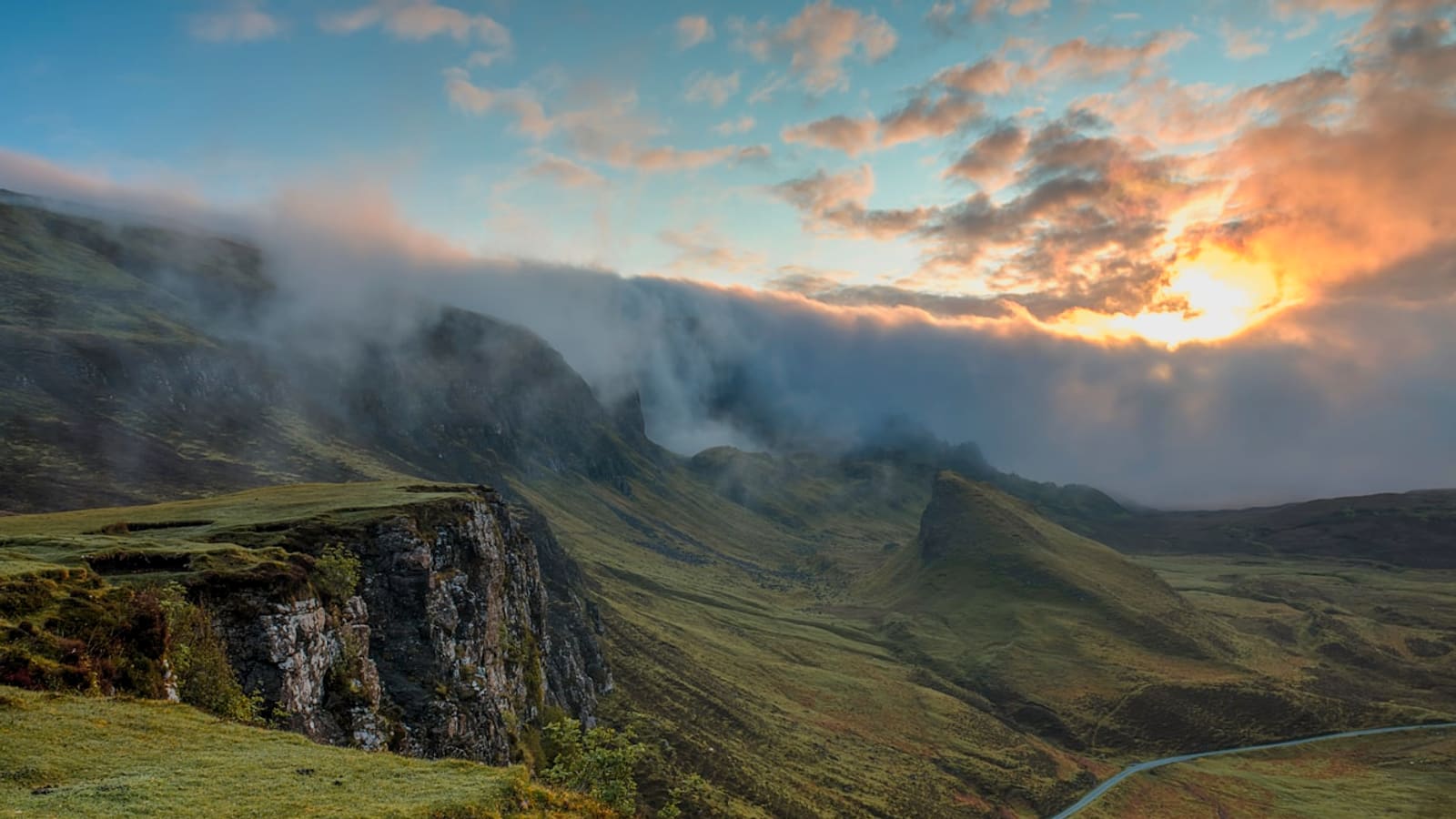
Lightning safety for hiking is mostly a timing problem, not a reaction problem: get off exposed ridgelines and summits before storms build, because by the time you can hear thunder, you're already inside striking range. In many mountain ranges, afternoon thunderstorms build reliably from convective heating, which is exactly why alpine starts and early summits exist.
The 30-30 rule gives you a concrete trigger for taking cover, and knowing where not to be, above treeline, under a lone tree, near water, matters just as much as reacting once a storm arrives.
Beat the storm: start early and watch the sky
In mountain terrain, afternoon thunderstorms are a predictable pattern through summer, driven by daytime heating that builds cumulus clouds into thunderheads by early-to-mid afternoon. The standard defense is an alpine start: begin hiking before dawn or at first light so you're off exposed summits and ridgelines by late morning, well before storms typically develop.
Watch the sky all day, not just when you're worried. Building, darkening cumulus clouds, a sudden drop in temperature, or rising wind are all cues to start descending toward treeline before you need to, not after.
The 30-30 rule
The 30-30 rule gives you a clear, simple trigger instead of guessing: if the time between seeing lightning and hearing thunder is 30 seconds or less, the storm is within about 6 miles, close enough to seek shelter immediately. Stay under cover until 30 minutes after the last thunder you hear, since storms often have multiple pulses and a lull doesn't mean it's over.
Count seconds from flash to thunder, then divide by 5 for miles: 30 seconds means roughly 6 miles away. That's already within range for lightning to strike where you're standing, since strikes can occur miles ahead of a storm's visible edge.
Choosing terrain when a storm is close
- Get off summits, ridgelines, and any exposed high point immediately, these are the most dangerous places to be
- Avoid being the tallest object around: lone trees, isolated rock outcrops, and open meadows are all high-risk
- Move toward lower, uniform terrain like a stand of similarly-sized trees away from the tallest ones
- Stay away from water (lakes, streams) and wet, exposed rock, both conduct electricity well
- Avoid shallow caves, overhangs, and rock crevices, current can jump across the gap where you're sheltering
Lightning position and group spacing
If you're caught in the open with a storm overhead and no better shelter available, the lightning position reduces (but doesn't eliminate) risk: crouch on the balls of your feet, feet together, minimizing contact with the ground, and get off a pack frame or anything metal. This is a last resort for genuine emergencies, not a routine storm response.
Spread the group out, roughly 50 feet apart, so a single strike can't take out everyone at once and the rest of the group can respond and help. Staying huddled together for comfort is understandable but increases the number of people at risk from one strike.
Shelter myths worth clearing up
A backpacking tent offers zero lightning protection, the fabric and poles don't shield you, and pitching one on an exposed ridge to "get inside" is a false sense of safety. Real shelter means a hard-sided building or a vehicle, which are rarely available in the backcountry, or the lower, less-exposed terrain described above.
If genuine shelter isn't reachable, getting off the highest terrain and away from isolated tall objects is what actually reduces your risk, not which fabric is over your head.
Frequently asked questions
What is the 30-30 rule for lightning?
If you count 30 seconds or less between seeing lightning and hearing thunder, the storm is within about 6 miles and close enough to take shelter immediately. Wait 30 minutes after the last thunder before resuming activity, since storms often pulse in waves.
Why do mountain storms build in the afternoon?
Daytime heating causes air to rise and build cumulus clouds into thunderheads, typically peaking in early-to-mid afternoon through summer in many mountain ranges. That's why alpine starts before dawn and early summits are standard practice for exposed routes.
Is a tent safe during a lightning storm?
No. Tent fabric and poles provide no protection from a lightning strike. Real safety comes from getting off exposed high terrain and away from isolated tall objects, not from being inside a tent.
What is the lightning position and when should I use it?
Crouch on the balls of your feet with feet together, minimizing ground contact, away from metal objects. It's a last-resort emergency position for when you're caught exposed with no shelter option, not a substitute for getting to lower, safer terrain.
How far apart should a group spread out in a lightning storm?
About 50 feet apart. Spacing out means a single strike is less likely to hit the whole group, leaving others able to respond and help if someone is struck.