 RidgeSync
Tick Prevention for Hiking: Treated Clothing, Checks, and Safe Removal

Tick prevention for hiking layers three defenses: permethrin-treated clothing that kills ticks on contact, a skin repellent like DEET or picaridin on exposed areas, and a thorough tick check every night, since most tick-borne diseases need 24 to 36 hours of attachment before transmission risk rises sharply.
None of these alone is bulletproof, but together they cut your risk dramatically. The habit that matters most if the other two fail is the nightly check and prompt, correct removal.
Permethrin-treated clothing is the strongest layer
Permethrin is a contact insecticide, not a repellent: ticks that touch treated fabric are disabled or killed rather than just deterred. Treat socks, pants, and shirts (or buy pre-treated gear); a single treatment typically lasts through 6 or more washes, worth doing once at the start of tick season.
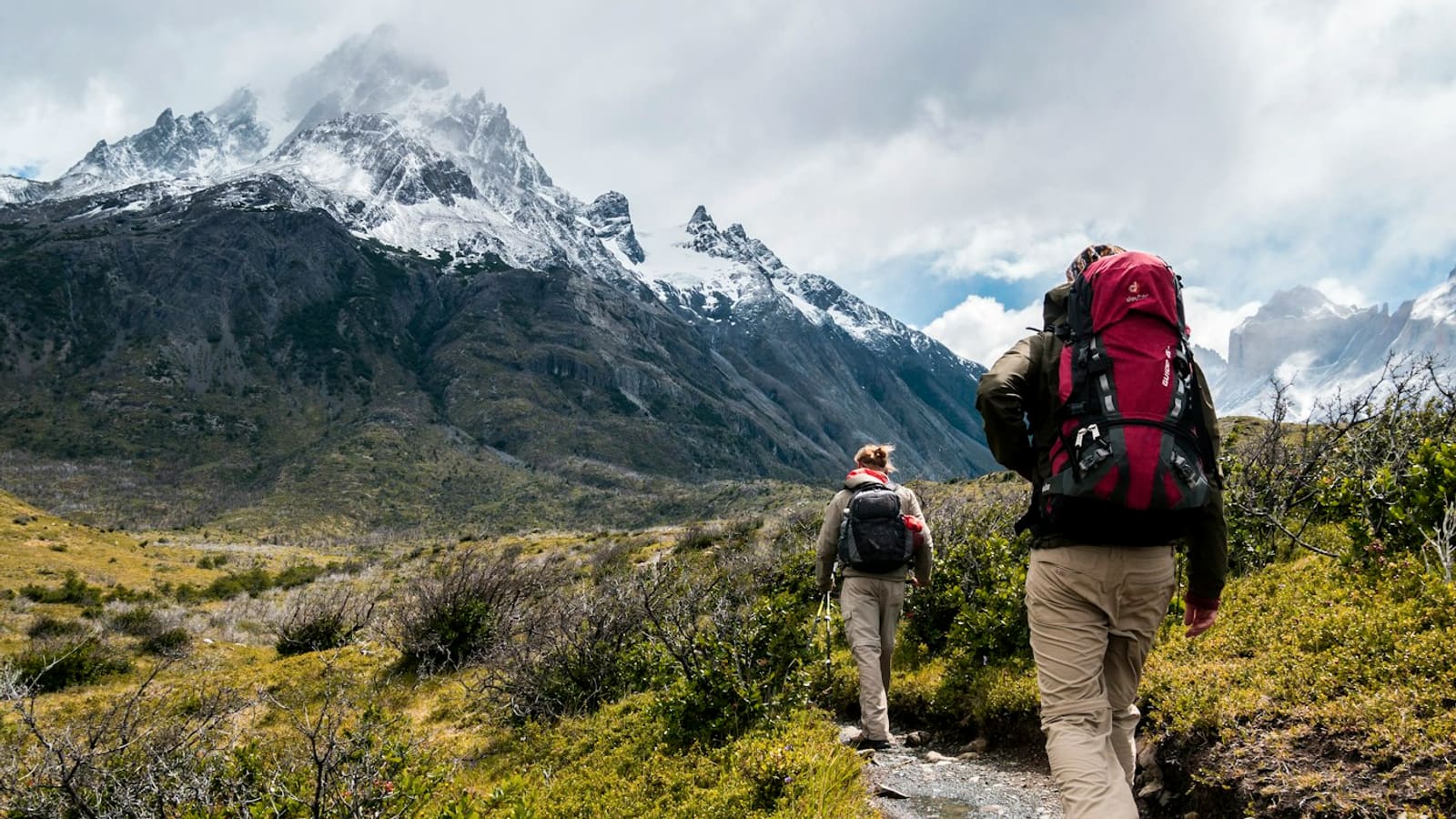
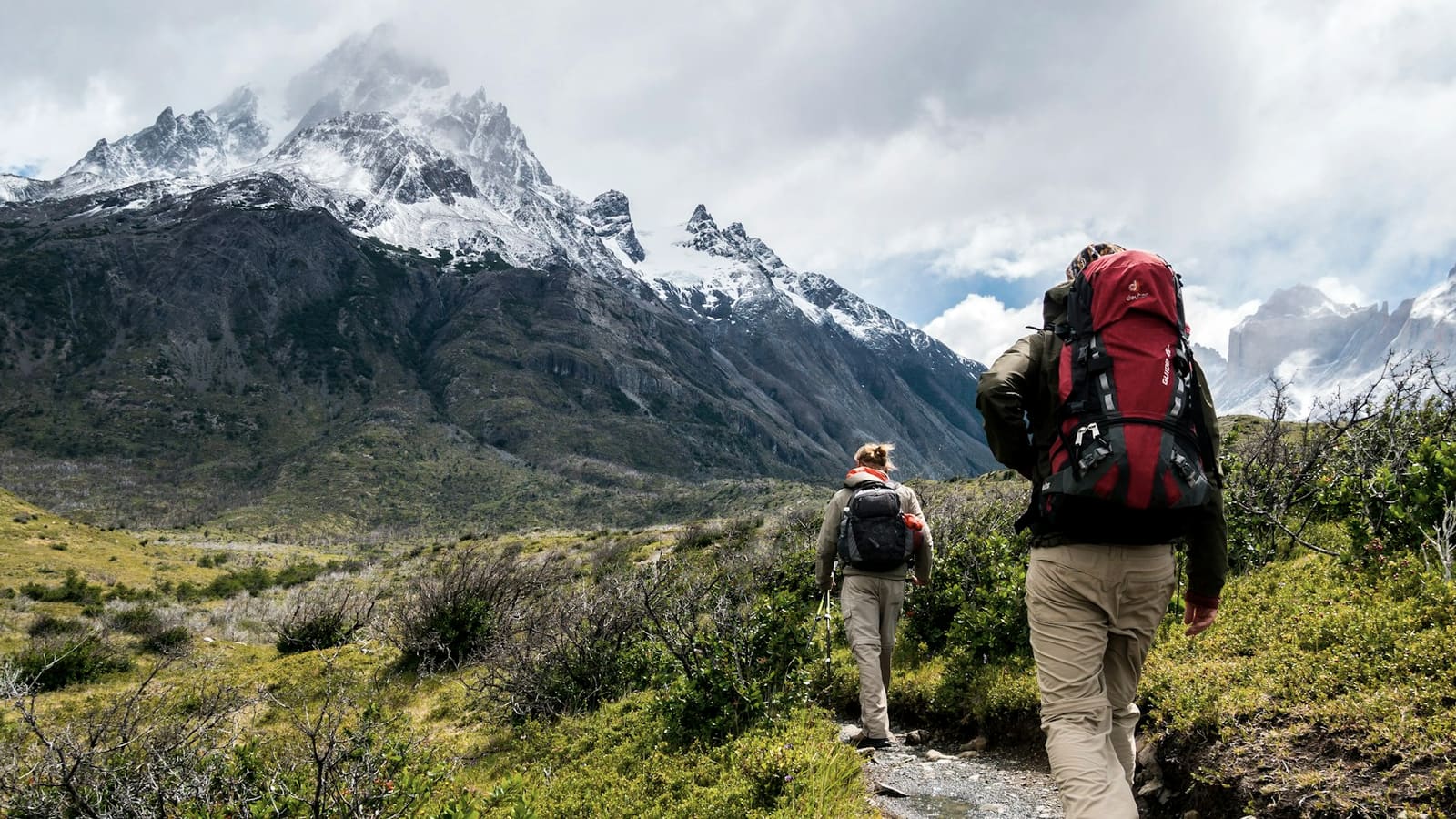
Tuck pants into socks and shirts into pants in brushy or overgrown terrain, permethrin works best when ticks have to cross treated fabric to reach skin at all.
Skin repellent for exposed areas
- DEET (20 to 30 percent concentration) is the most studied and effective repellent for exposed skin, hands, neck, and around sock lines
- Picaridin (20 percent) works comparably to DEET against ticks, with less odor and a less oily feel, a solid alternative for people sensitive to DEET
- Reapply per the product label, sweat and water reduce effectiveness faster than time alone
- Repellent on skin plus permethrin on clothing is a stronger combination than either alone, since they cover different exposure points
Check for ticks every day, methodically
Do a full-body check every evening, ticks are small (poppy-seed sized as nymphs, sesame-seed as adults) and easy to miss with a quick glance. Focus on warm, hidden spots: scalp, behind ears, armpits, waistband, behind knees, and groin.
Check gear and dogs too, ticks ride in on packs, hats, and pet fur and transfer to skin later. A quick shake-out of clothing before it goes in the tent is a cheap habit.
Removing a tick correctly
- Grab close to the skin
Use fine-tipped tweezers, not fingers, a match, or petroleum jelly, and grasp the tick close to your skin's surface at the mouthparts, not the body.
- Pull straight up with steady pressure
Pull upward with even, steady pressure; don't twist or jerk, which can break off mouthparts and leave them embedded in the skin.
Tip If mouthparts break off, remove them if easy; otherwise leave them, skin usually pushes them out on its own.
- Clean the bite site
Wash the area and your hands with soap and water or rubbing alcohol, and note the date of the bite.
- Watch the site for weeks
Watch for an expanding red rash, fever, fatigue, or joint pain over the following days to weeks, and see a doctor if any appear.
Tip Not every Lyme rash looks like a classic bullseye; any expanding rash near a bite is worth a call.
Know the risk windows and habitat
Most tick-borne pathogens, including the bacteria that causes Lyme disease, need roughly 24 to 36 hours of attachment before transmission risk climbs significantly, which is exactly why a nightly check (not a weekly one) matters. A tick found and removed within a few hours of attachment carries much lower risk than one that's been feeding overnight.
Ticks favor brushy trail edges, tall grass, leaf litter, and the transition zone between woods and open meadow, less so the middle of a wide, well-maintained trail. Staying centered on trail through overgrown sections reduces contact even before repellent comes into play.
Frequently asked questions
What is the best tick prevention for hiking?
A layered approach: permethrin-treated clothing (kills ticks on contact), a skin repellent like 20 to 30 percent DEET or 20 percent picaridin on exposed skin, and a thorough full-body tick check every evening. Together these cut risk far more than any single method.
How long does a tick have to be attached to transmit Lyme disease?
Most estimates put meaningful transmission risk at roughly 24 to 36 hours of attachment. That's why a nightly tick check, rather than checking every few days, is the habit that matters most for catching ticks before risk rises.
What's the correct way to remove a tick?
Use fine-tipped tweezers, grasp the tick close to the skin at the mouthparts, and pull straight up with steady, even pressure, no twisting or jerking. Clean the bite site afterward and avoid old remedies like petroleum jelly, matches, or nail polish, which don't work and can increase risk.
Is DEET or picaridin better against ticks?
Both work comparably well against ticks at proper concentrations, DEET around 20 to 30 percent and picaridin around 20 percent. Picaridin tends to have less odor and feel less oily, making it a good alternative for people who dislike DEET.
Where are ticks most common on a hiking trail?
Brushy trail edges, tall grass, leaf litter, and the transition zone between forest and open meadow carry the highest tick density. Staying centered on well-maintained trail and avoiding bushwhacking through overgrown sections reduces contact significantly.