 RidgeSync
Backpacking First Trip Mistakes to Avoid
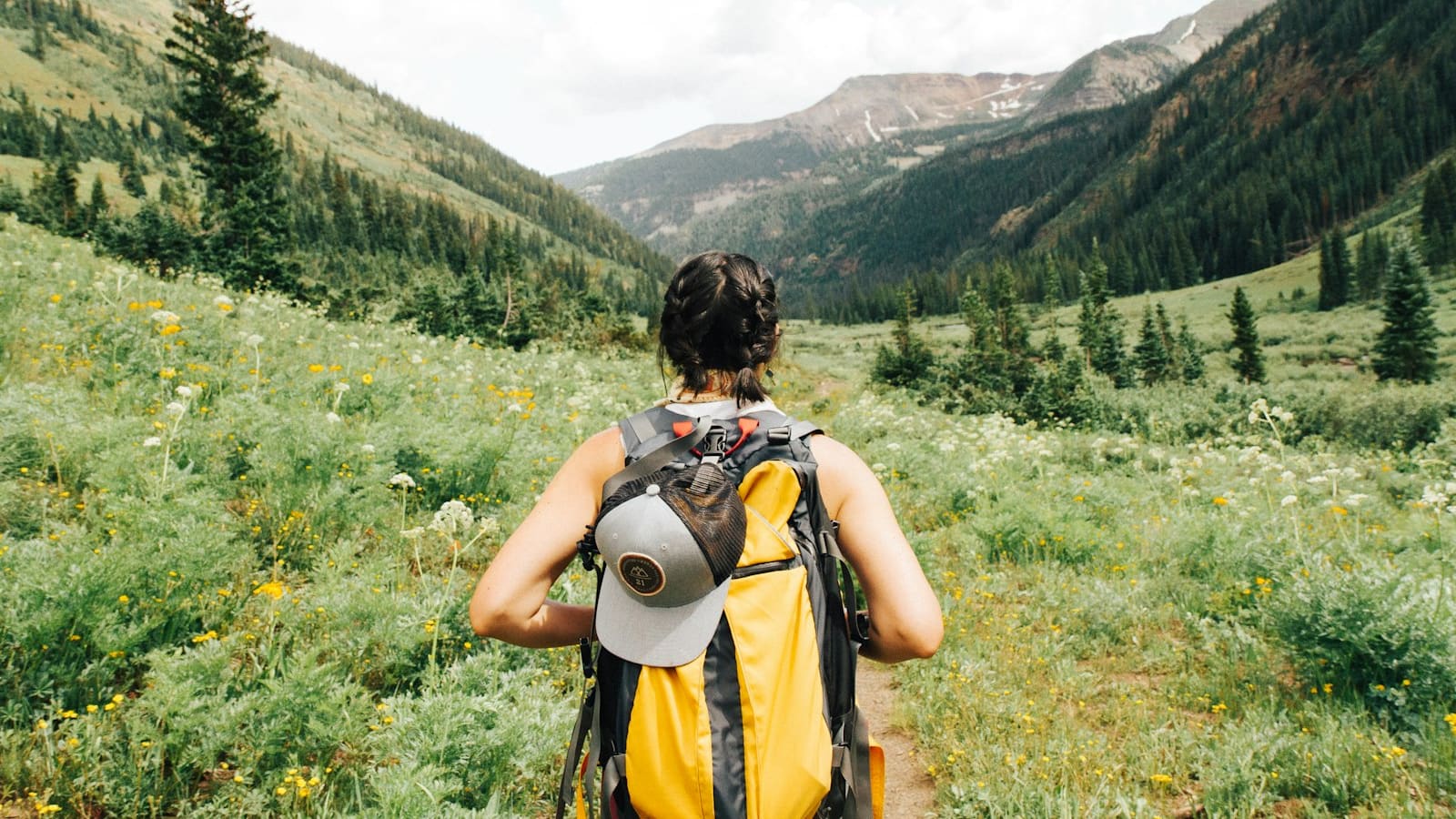
Almost every backpacking mistake on this list is made once, learned from, and never repeated, which is exactly why it's worth reading someone else's list first. Most first-trip problems fall into the same handful of categories: too much stuff, too many miles, gear that's never been tested, and a food or water plan built on guesswork.
None of these require expensive gear to fix. They require slower, more honest planning before you leave the house.
Overpacking, and packing the wrong things
First-timers reliably overpack: a backup for every backup, clothing for every possible weather, and food 'just in case' that turns into three extra pounds on your back. A simple base weight target for a first trip (pack, sleep system, shelter, minus food, water, and worn clothing) is a useful check: many comfortable beginner setups land in the 15 to 25 lb range, and a total pack weight well beyond that on a short trip is usually a sign of overpacking, not necessity.
The fix is a written checklist used the same way every trip, and a hard look at anything labeled 'just in case', ask what specifically it's for, and whether a lighter alternative already covers that need.
Overestimating daily mileage
New backpackers plan mileage like day-hikers: flat trail-running pace applied to a multi-day trip with a full pack, and it falls apart on the first climb. A loaded pack, real elevation gain, and simple fatigue over consecutive days all slow you down more than a first-timer expects, often to half or two-thirds of an unloaded day-hike pace on similar terrain.
Plan your first trip's daily mileage conservatively, factor elevation gain explicitly rather than mileage alone, and build in slack for a slower-than-expected first day rather than a tight itinerary that leaves no room for reality.
Untested gear and unbroken-in boots
- Never wear brand-new boots or shoes on a multi-day trip untested, break them in on day hikes first, blisters that seem minor on mile 2 become trip-ending by mile 12
- Test your tent setup at home at least once, a first-ever pitch in the dark after a long day is a bad time to discover a missing pole or a confusing rainfly
- Test your stove with the fuel you're actually carrying, not just in the store, a stove that doesn't light reliably is a hungry, cold problem on trail
- Sleep in your sleeping bag and pad at home for one night if they're new, gear that feels fine in a store often reveals real comfort issues after eight hours
Food and water math done by guesswork
Both too little and too much food are real problems: running short leaves you depleted and slow on the hardest day, while overpacking food adds pack weight for no benefit. Plan meals day by day with a rough calorie and weight target (about 2,500 to 3,500 calories and 1.5 to 2 lb of food per person per day for most three-season trips) rather than grabbing items until the bag looks full.
Water mistakes usually go the other direction: not knowing where reliable sources are on the specific day's route, and either carrying too much dead weight or running dry on a longer dry stretch. Check your route's water sources in advance and always carry a treatment method, don't assume a source will be there or be safe to drink untreated.
Skipping permits, regulations, and the weather forecast
Many popular routes require permits, have quotas, ban campfires, or require bear canisters, and showing up unaware can mean a ranger turns you around at the trailhead, or worse, an illegal camp in a sensitive area. Check every land manager along your route weeks in advance, not the night before.
Checking the forecast matters just as much: mountain weather changes fast, and a first trip planned around a single sunny-day snapshot with no contingency for an afternoon storm or a cold front is a common way beginners end up genuinely unprepared.
Frequently asked questions
What is the biggest mistake new backpackers make?
Overpacking and overestimating daily mileage are the two most common: too much gear driven by 'just in case' thinking, and a mileage plan based on unloaded day-hike pace rather than realistic loaded, multi-day pace.
How much should a beginner's pack weigh?
A base weight (pack, shelter, sleep system, minus food and water) in the 15 to 25 lb range is a comfortable target for most beginners. Well beyond that on a short trip is usually a sign of overpacking rather than necessity.
Should I break in new boots before backpacking?
Yes, always. Wear new boots or shoes on several day hikes first, a blister that seems minor on mile 2 with a light load can become trip-ending by mile 12 with a full pack.
How do I avoid running out of food on my first trip?
Plan meals day by day against a rough target of 2,500 to 3,500 calories and 1.5 to 2 lb of food per person per day, rather than filling a bag with items until it looks full.