 RidgeSync
Backpacking Fitness Training: How to Actually Prepare Your Body for the Trail
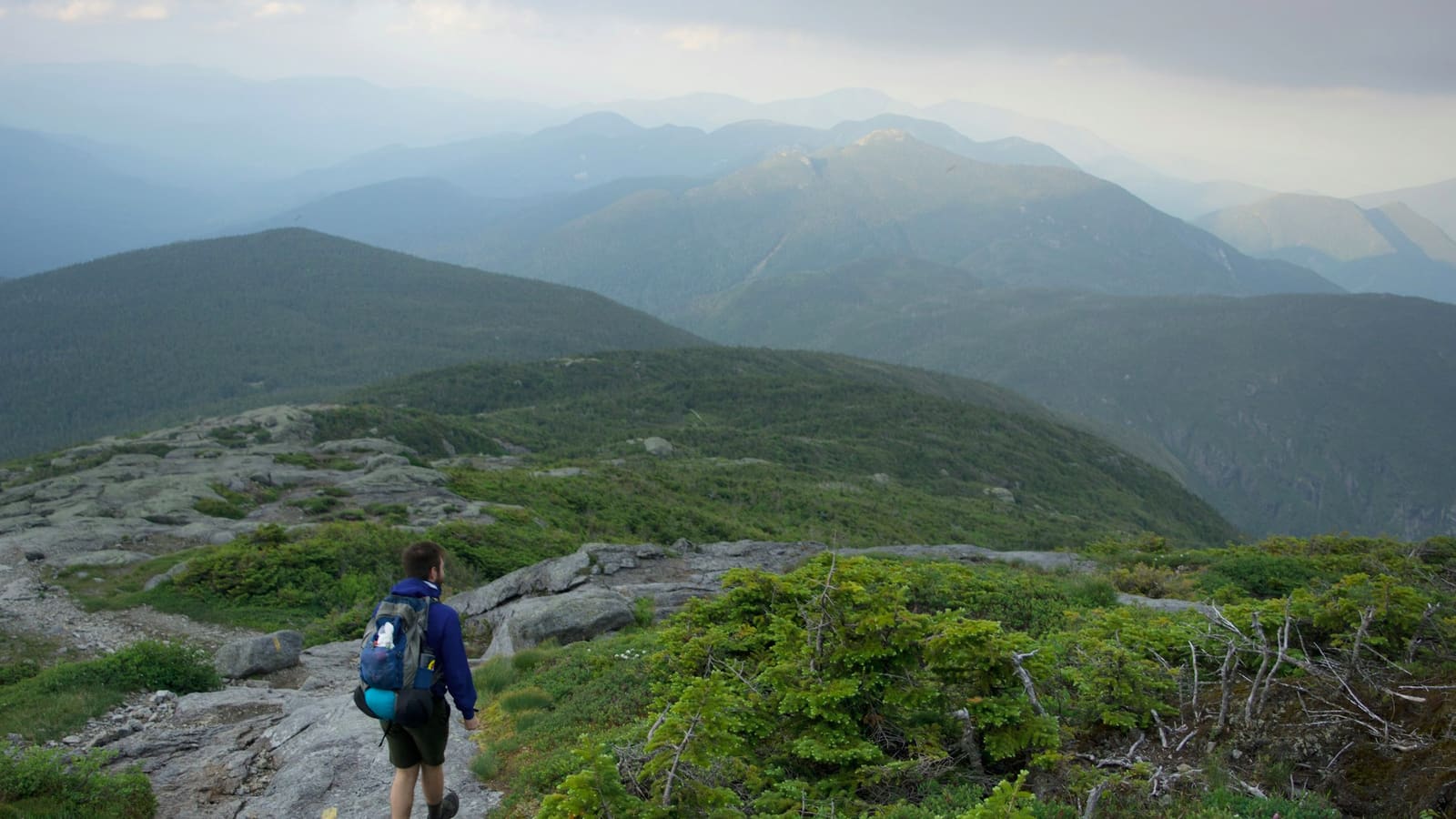
Backpacking fitness comes from three things done consistently for 6 to 8 weeks before a trip: loaded hiking with weight approximating your actual pack, strength work targeting legs, hips, and the muscles that stabilize a loaded pack, and cardio that builds the aerobic base to sustain hours of movement, not just a single hard workout. Generic gym fitness doesn't fully transfer.
You don't need a gym membership or years of lead time. Here's a training approach that actually matches what the trail demands.
Loaded hiking is the single best training you can do
Nothing replicates carrying a pack for hours like carrying a pack for hours. Start with day hikes at a fraction of your target pack weight, and build up over weeks toward your actual trip weight, ideally on terrain with real elevation gain and loss, not flat ground. If your local terrain is flat, stairs, hills, or a weighted treadmill incline are reasonable substitutes.
This single habit does more for trip readiness than any other single training input, because it trains your specific muscles, joints, and cardiovascular system for the actual task, not a generic approximation of it.
Strength train the muscles a loaded pack actually stresses
- Squats and lunges build the quad and glute strength that carries you uphill and controls your descent, which is often harder on the body than climbing
- Step-ups with weight closely mimic the motion of climbing with a loaded pack and are one of the most trail-specific strength exercises available
- Core and hip stability work (planks, side planks, single-leg balance) keeps a loaded pack from throwing off your balance on uneven terrain
- Calf raises and ankle stability exercises reduce rolled-ankle risk on rocky or root-covered trail
Build aerobic base, not just gym intensity
Backpacking is hours of sustained, moderate effort, which is a different fitness than short, intense workouts. Build a base of longer, lower-intensity cardio, brisk walking, hiking, cycling, or similar, several times a week, and add one higher-intensity session if you have the time and joints for it.
If altitude is part of your trip and you don't live near elevation, build extra cardio margin into your training since altitude adaptation on the trail itself takes real time and can't be fully trained for at sea level.
Train your feet and skin, not just your muscles
Blisters and hot spots end more trips early than actual fitness limits do. Break in boots or trail shoes on training hikes, not on trip day, and use those same hikes to test socks, insoles, and any tape or blister prevention you plan to rely on.
Descending is harder on feet and knees than climbing for most people; make sure some training hikes include real downhill mileage so your feet and joints have already handled it before trip day.
A realistic 6 to 8 week buildup
Early weeks: shorter loaded hikes at partial pack weight, 2 to 3 times a week, plus 2 strength sessions. Middle weeks: increase distance and pack weight toward your real trip numbers, add one longer weekend hike with full pack weight and real elevation if possible. Final 1 to 2 weeks: taper volume down while keeping some loaded movement, since showing up tired from overtraining is its own risk.
If your trip involves significantly more daily mileage or elevation gain than anything in your training, that gap is exactly where injury and exhaustion tend to show up; close it in training, not on the trail.
Frequently asked questions
How many weeks should I train before a backpacking trip?
6 to 8 weeks of consistent loaded hiking, strength work, and cardio is a reasonable minimum for most people targeting a moderate multi-day trip. Longer or more demanding trips benefit from more lead time, especially if you're starting from a lower fitness baseline.
What's the best single exercise to train for backpacking?
Loaded hiking, carrying a weighted pack on hilly terrain, transfers more directly to the trail than any gym exercise because it trains the exact muscles, joints, and cardiovascular demands of the actual activity.
Do I need to train with my full pack weight?
Build up to it gradually rather than starting there. Training at or near your actual trip pack weight in the final weeks before departure is valuable, but starting with full weight before your body has adapted increases injury risk.
How do I train for altitude if I live near sea level?
You can't fully replicate altitude adaptation without being there, but building a strong aerobic base reduces how hard the altitude hits you, and planning a conservative first day or two at elevation on the actual trip matters more than any sea-level training substitute.