 RidgeSync
Backpacking Permits Explained: Lotteries, Walk-Ups, and How Not to Get Shut Out
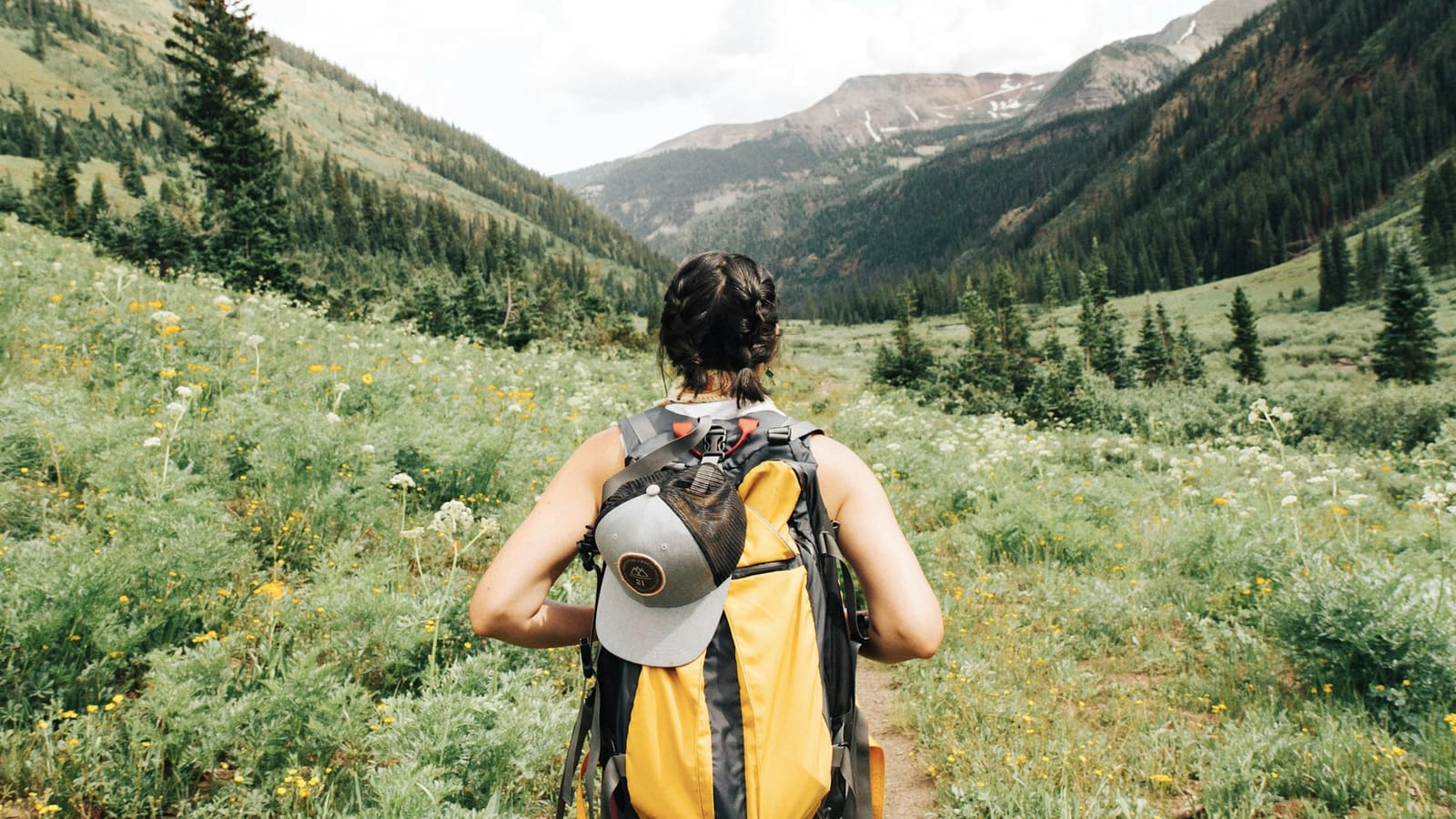
Backpacking permits control how many people can start a trail or enter a wilderness area on a given day, and most popular routes use one of three systems: an advance lottery, a rolling reservation window, or first-come walk-up permits released a day or two before your start date. Missing the right window is the most common reason trips fall through.
The system varies a lot by land manager, but the planning logic is the same everywhere: know your system months out, apply or reserve as early as it opens, and always have a walk-up or backup plan.
Why permits exist at all
Permits exist to cap the number of people entering fragile or high-demand terrain, which protects both the land and the experience of everyone on it. A quota limits daily entries, so once it's full for a given date, no amount of money or persistence gets you in, only a cancellation or a different date does.
This is why permit planning has to happen before you plan mileage in detail. Your entry date and trailhead are often decided by the lottery result, not the other way around.
The three permit systems you'll run into
- Advance lotteries: apply during a set window (often months ahead) for a chance at a specific date and trailhead; popular routes can have low odds and results post on a set date
- Rolling reservations: permits open a fixed number of days before your start date (commonly 6 months to 2 weeks) on a first-come basis; these fill within minutes for the most popular trailheads
- Walk-up or day-of permits: a portion of quota (sometimes all of it) is held back and released the day before or day of at a ranger station, often with a line before sunrise for popular trails
- No permit required: many wilderness areas have no daily quota and only require free self-registration at the trailhead
Build your trip timeline around the permit calendar
Find out your target trail's system and dates before you plan anything else. Lottery application windows often open 6 to 12 months ahead, and rolling reservations can open on a fixed schedule that's easy to miss if you're not tracking it. Set a calendar reminder for the exact release time, since exact-minute openings are common for high-demand trailheads.
If a lottery doesn't work out, check the land manager's site for a secondary walk-up quota, a less popular entry trailhead into the same area, or a cancellation re-release, which happens more often than people expect.
Have a backup plan that isn't wishful thinking
Apply for more than one date or trailhead if the system allows it, and identify at least one alternate route in a different area with a less competitive permit process. A flexible itinerary with two or three viable options beats a rigid plan for one specific trail that depends entirely on lottery luck.
If you're relying on walk-up permits, plan to arrive the day before with a fallback itinerary in case the quota fills, and know the ranger station's actual release time and process, which varies by park.
Group size, entry points, and permit details that trip people up
Most permits specify a maximum group size, and some cap the total across your whole itinerary, not just your entry day. Your permit is also usually tied to a specific entry trailhead and sometimes an exit point or itinerary, so changing your route mid-trip can put you outside your permit's terms.
Carry a physical or downloaded copy of your permit, since rangers do check, and keep your actual itinerary close to what you filed, particularly in areas with per-night camp quotas.
Frequently asked questions
How far in advance should I apply for a backpacking permit?
For lottery systems, apply as soon as the application window opens, typically 6 to 12 months ahead. For rolling reservation systems, know the exact release date and try to book the moment it opens, since popular trailheads can fill within minutes.
What happens if I don't get a permit through the lottery?
Check for a walk-up or day-of quota at the ranger station, look for cancellation re-releases which are common closer to the date, or plan an alternate trailhead or route with a less competitive permit process.
Do all backpacking trips require a permit?
No. Many wilderness areas have no quota system and only require free self-registration at the trailhead. Permits are concentrated in high-demand areas like popular national parks and iconic long-distance trail corridors.
Can I change my route after getting a permit?
Usually only within limits. Permits are often tied to a specific entry trailhead, exit point, or nightly camp itinerary, so significant changes can put you outside your permit's terms. Check your specific land manager's rules before altering plans.