 RidgeSync
Backpacking Food Planning: How Much to Pack (and How to Do the Math)
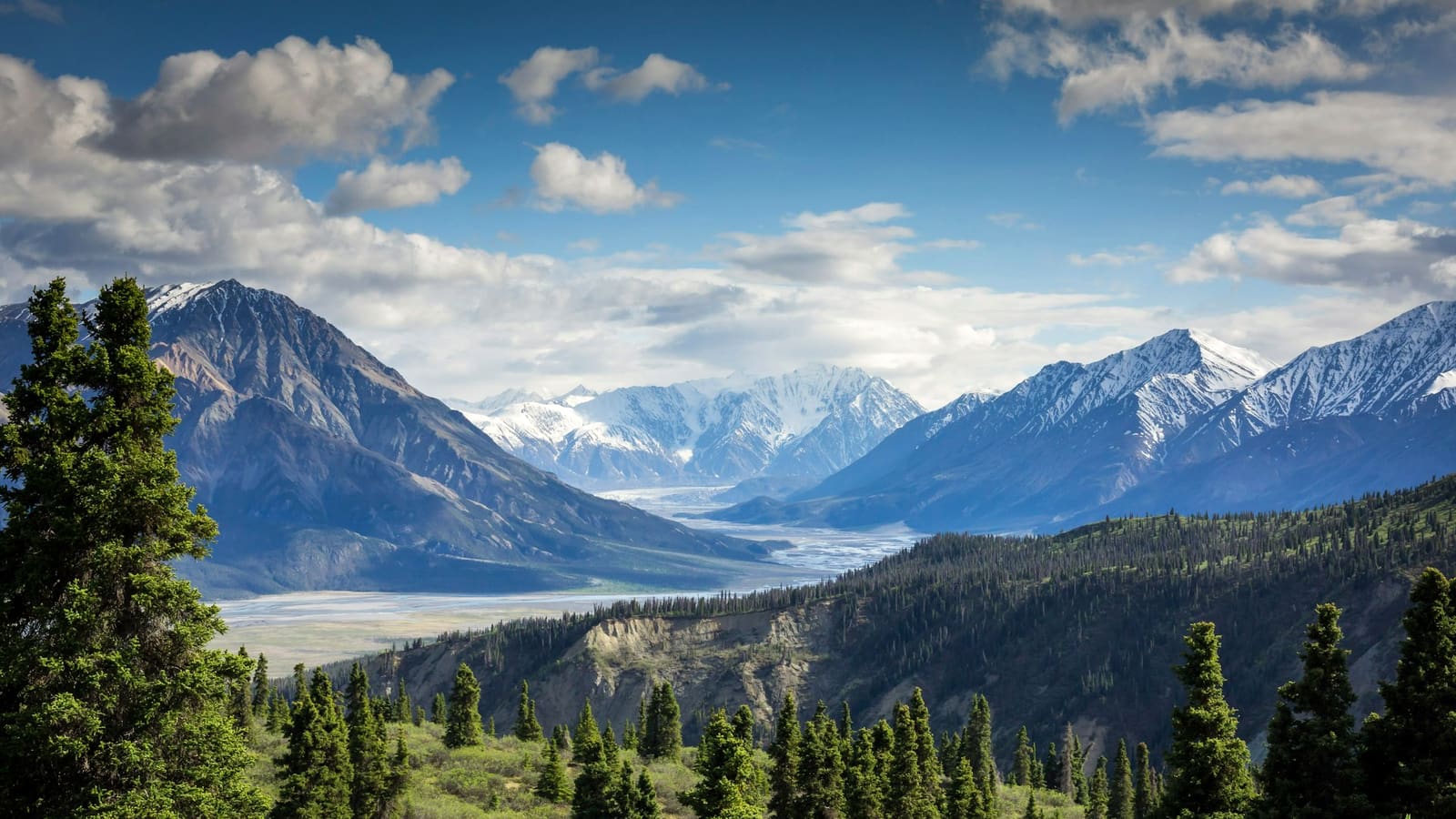
The standard answer: pack 1.5-2 pounds of food per person per day, delivering 2,500-3,500 calories, with most items above 100 calories per ounce. For a 5-day trip that's 8-10 pounds of food, usually the heaviest thing in your pack after water. The interesting part isn't the target; it's the method that hits it without a missing dinner on night four or three pounds of 'just in case' bars you carry over every pass and back to the car.
Here's the day-by-day system, plus the numbers to calibrate it to your trip.
Start with calories per ounce, not favorite foods
Food weight is a density problem. Fresh fruit runs ~15 calories/oz, tortillas ~85, peanut butter ~165, olive oil ~250. If your average density is 100-125 cal/oz, a 3,000-calorie day weighs 1.5-1.9 lb; drop to 80 cal/oz and the same day costs half a pound more.
- Great (125+ cal/oz): nuts, nut butters, olive oil, chocolate, dense trail mix
- Good (100-125): dehydrated meals, ramen, couscous, tortillas, hard cheese, jerky mixed in
- Costly (<100): fresh produce, canned anything, pouches of wet food, most bread
Scale calories to the day, not the trip
A rest-ish 6-mile day might need 2,300 calories; a 12-mile day with 4,000 ft of climbing can burn 4,000+. Plan bigger dinners and more snacks on the big days, lighter on the easy ones, the same way you plan daily mileage unevenly. Appetite also lags: most people can't eat much on day one and are ravenous by day three, so front-load the light days.
Cold weather adds 300-500 calories a day just for staying warm.
This is why food planning belongs inside trip planning, not after it: your calorie plan should be derived from the same daily mileage and elevation numbers you used to place camps. If you haven't set those yet, work out how many miles a day backpacking makes sense for your group first, then feed the days, the same logic covered in our guide on how to plan a backpacking trip.
The day-by-day method
Build a grid: one row per day, columns for breakfast, lunch/snacks, dinner. Fill every cell before you shop. This catches the two classic failures, a missing meal (you planned 4 dinners for 5 nights) and unplanned duplicates (six breakfasts for a four-morning trip).
Then weigh the pile, or sum label weights. If you're over ~2 lb/person/day, swap the lowest-density items first rather than cutting a meal.
Repackage everything before it goes in the bag: jars into bags, boxes flattened, portions pre-split by day. Repackaging typically saves half a pound on a five-day carry, and day-labeled bags mean you can't accidentally eat Thursday's dinner on Tuesday.
What experienced packers stop carrying
- A full 'emergency day' of food, one extra dinner and a few bars covers realistic delays on most routes
- Backup meals for picky appetites, decide at home, not at the trailhead
- Whole jars and full-size packaging, repack everything
- Duplicate luxury items, one treat per day, chosen deliberately, beats a grab bag
Frequently asked questions
How much food should I pack per day backpacking?
1.5-2 lb per person per day, providing roughly 2,500-3,500 calories. Go toward the high end for cold weather, big climbing days, or big appetites, and toward the low end for short mild trips.
How much does 5 days of backpacking food weigh?
Typically 8-10 lb per person at normal densities. Careful high-density packing can bring it under 8 lb; wet or fresh foods push it well past 12.
Do I need a bear canister for my food?
In many wilderness areas, including the Eastern High Peaks, most of the High Sierra, and many national parks, canisters are legally required, not optional. Check the land manager's rules for every section of your route, and remember the canister itself adds 2-3 lb.