 RidgeSync
Backpacking Resupply Strategy: Boxes, Towns, and Timing
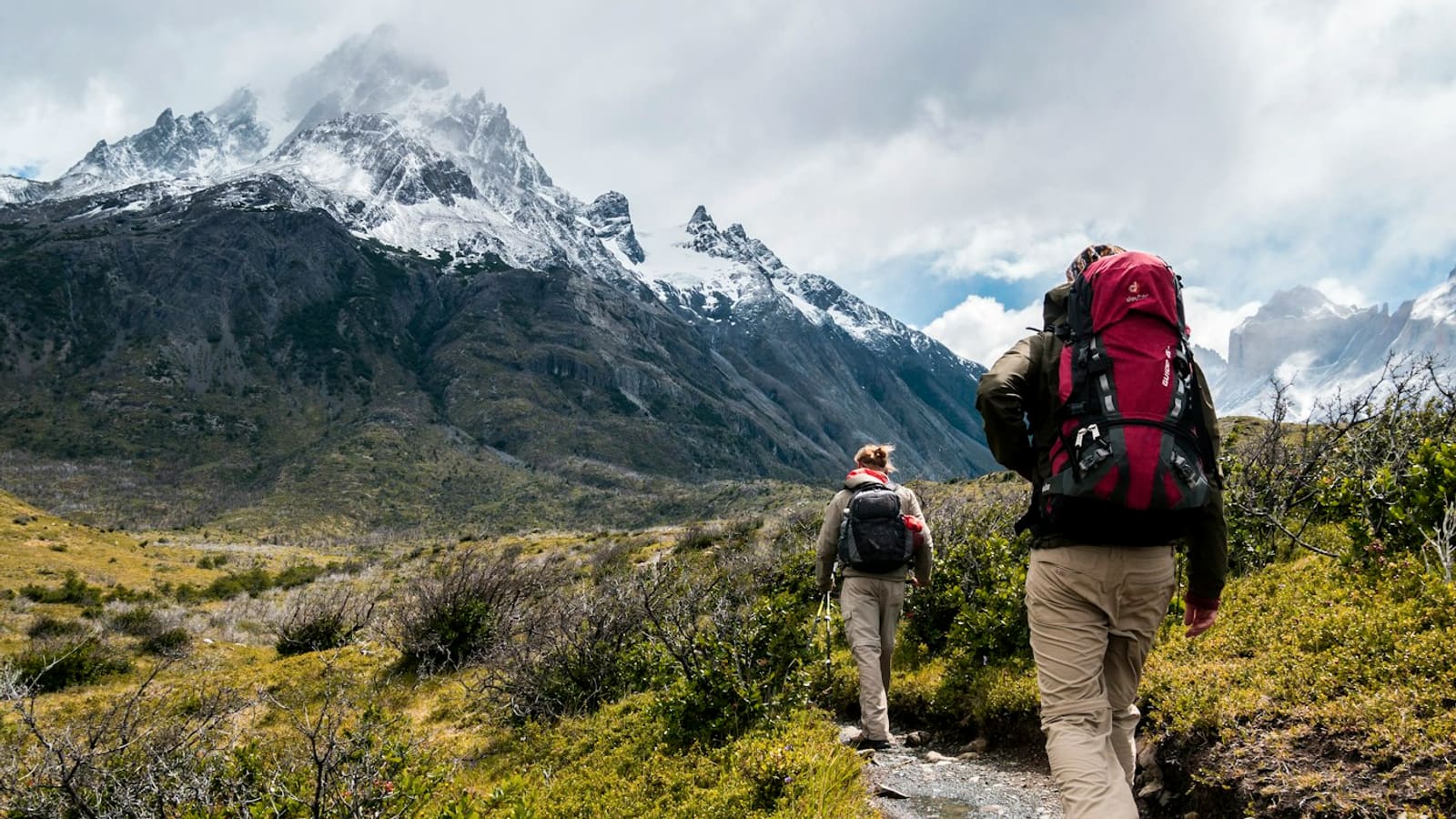
Any trip longer than about a week has to solve the same problem: you cannot carry all your food from the trailhead, so you need a plan for getting more of it partway through. Resupply strategy is the logistics layer of food planning, and it interacts with almost everything else on a long trip: bear canister capacity, daily mileage, and how many rest days you actually get.
There are really only two approaches, mail it ahead or buy it in town, and most long trips end up mixing both depending on how remote each stop is.
Mail drops vs buying in town
Mail drops (shipping a box of pre-packed food to a post office, hostel, or lodge near the trail) make sense at remote stops with no real store, or when you have dietary needs a small-town gas station can't meet. The tradeoff is upfront work: you pack every box before you leave, guess your appetite weeks in advance, and commit to a schedule.
Buying in town works well anywhere with a grocery store or decent general store, and it's far more flexible: you adjust quantities to how your appetite has actually changed, and you're not stuck eating something you packed a month ago and now can't stand. The tradeoff is selection and cost, small trailside towns often have thin, expensive shelves.
Choosing your resupply points
A good resupply point is close to the trail, has food you can actually eat, and doesn't cost you a full extra day getting there and back. Map every plausible stop before you leave and rank them on those three things, not just distance from the trail.
- Distance off-trail: hitchhiking or walking 10 miles to town eats a day; a store at the trailhead itself eats an hour
- What's actually there: a gas station has ramen and candy bars, not a balanced dinner; know the difference before you rely on it
- Hours and days open: small-town post offices and stores keep short hours and close Sundays, plan around that
- Lodging option: a shower and a real bed at a resupply town is a legitimate reason to add a rest day, budget for it if it matters to you
Sizing the food between stops
Work backward from your itinerary: count the nights until the next resupply, multiply by your target daily weight (roughly 1.5 to 2 lb per person per day for most three-season trips), and that's your carry weight leaving each stop. If any stretch between resupplies requires a bear canister, the canister's fixed volume, not your appetite, becomes the real limit, canisters generally hold 5 to 7 days of food, which caps how far apart your resupply points can be.
Build in one buffer day of food on any stretch with real uncertainty (weather, an unbridged crossing, a closed trail section), since running short two days from the next town is a much worse problem than carrying one extra freeze-dried dinner.
A bounce box, and other logistics that help
A bounce box is a box you mail forward to yourself at your next stop instead of home, useful for gear you need in town but not on trail (a charger, spare batteries, a resupply of contact solution) without buying duplicates at every stop. Pair it with a simple resupply log: what's in each box or where you'll buy, and rough dates, so you're not reconstructing the plan from memory at mile 200.
If you're building this into a full itinerary, treat resupply points as fixed waypoints in your route plan first, then split days around them, it's much easier to adjust mileage between two known food stops than to discover a resupply gap after you've already committed to camps.
Frequently asked questions
Should I mail resupply boxes or buy food in town?
Buy in town wherever there's a real store, it's more flexible and lets you adjust to your actual appetite. Reserve mail drops for remote stops with no store, or for food needs a small town can't meet.
How much food should I carry between resupplies?
Roughly 1.5 to 2 lb per person per day for typical three-season backpacking, adjusted up for cold or high-effort days. If a bear canister is required for the stretch, its fixed capacity, usually 5 to 7 days, may be the real limit rather than your appetite.
What is a bounce box?
A box of non-food items you mail forward to your next stop instead of carrying or buying duplicates, useful for chargers, spare batteries, or toiletries you need in town but not on trail.
How do I find resupply points along a route?
Map every town, store, post office, or lodge near your trail before you leave and rank them by distance off-trail, what they actually stock, and their open hours, then set your daily mileage plan around those fixed points.