 RidgeSync
How Many Miles a Day Should You Backpack?
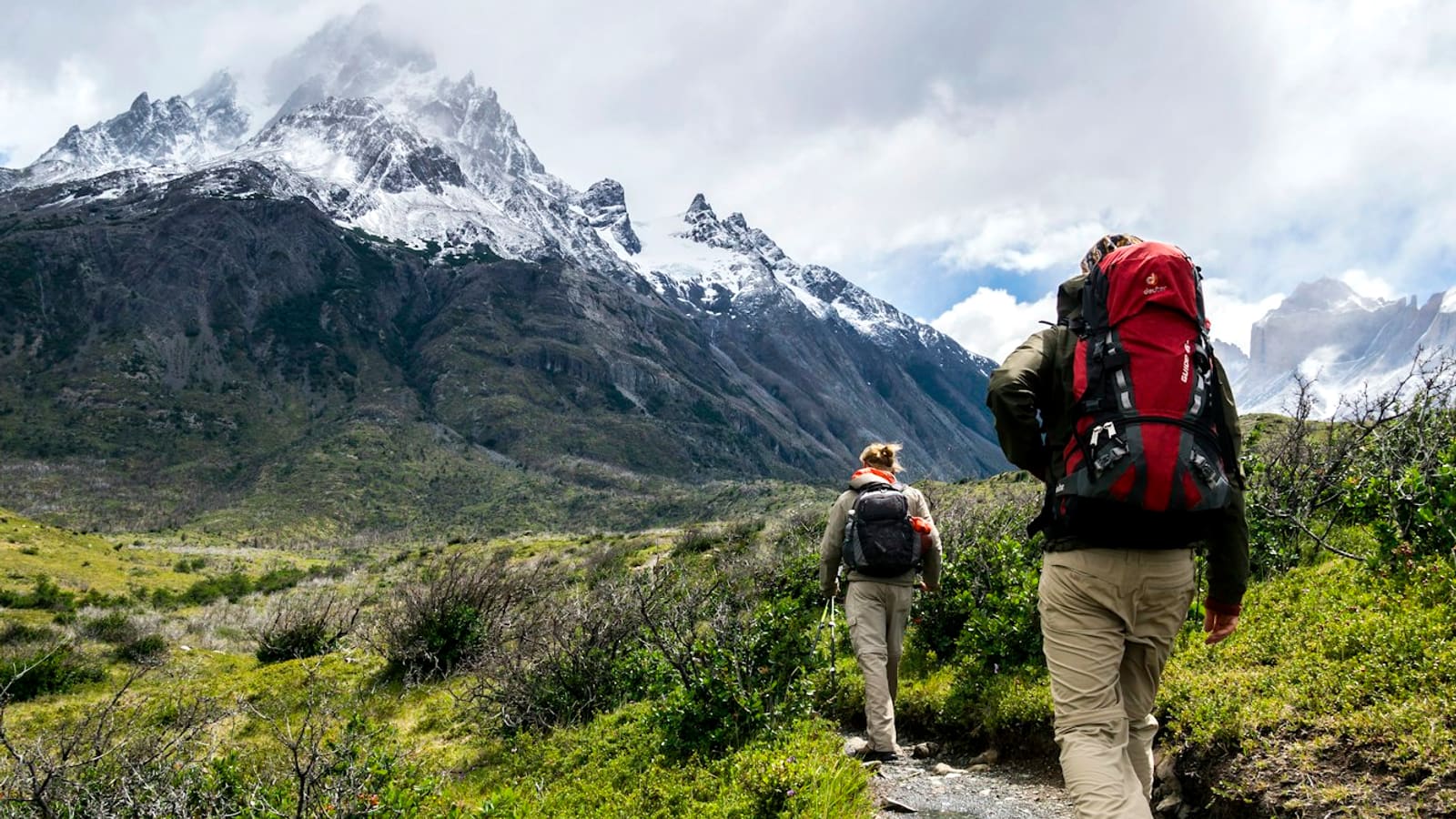
Most backpackers comfortably cover 8-12 miles a day with a full pack on maintained trail. Beginners should plan 5-8 miles; experienced hikers in good shape can sustain 15-20; thru-hikers eventually push past 25. But the raw number matters less than the adjustments, elevation gain, terrain, pack weight, and daylight routinely turn a '10-mile day' into a 9-hour ordeal or an easy afternoon.
Here's how to pick a daily mileage you'll actually enjoy, and how to adjust it for the route in front of you.
The baseline: pace with a loaded pack
On flat, maintained trail, a loaded backpacker moves 2-3 mph, slower than the 3-4 mph day-hiking pace most people calibrate against. Over a 6-hour moving day that's 12-18 flat-equivalent miles, and almost nobody hikes 6 full moving hours on day one.
- New to backpacking: 5-8 miles/day (3-4 moving hours)
- Regular hikers, moderate fitness: 8-12 miles/day
- Fit and experienced: 15-20 miles/day
- Thru-hiker legs (after weeks on trail): 20-30 miles/day
Elevation gain is the number that actually matters
The most useful planning rule in backpacking: 1,000 ft of climbing costs about as much time and energy as one extra flat mile, and steep, rough descents cost nearly as much as climbs. A 10-mile day with 4,000 ft of gain is a 14-mile day in effort terms, which is why 'short' days in steep country wreck people who planned by map miles.
For time estimates, use the climber's version of Naismith's rule: 30 minutes per flat mile, plus one hour per 2,000 ft of ascent, plus a buffer for breaks that grows with group size.
Five adjustments that change your range
- Pack weight: every 10 lb above a ~25 lb load costs roughly 10% of your pace
- Trail quality: talus, blowdowns, and unmaintained tread can cut pace in half; smooth rail-trail nearly doubles it
- Altitude: above ~8,000 ft, unacclimatized hikers lose 20-30% of their output
- Daylight: a June day gives you 15+ hikeable hours; late September gives 11, shoulder-season plans need shorter days
- Group: a group moves at its slowest member's pace, minus the time spent regrouping
Planning splits: uneven days are smart days
Don't divide total mileage by days and call it a plan. Split the route so effort is even, not miles: a 6-mile day that ends at the base of a major climb beats a 10-mile day that ends on top of it, and a short final day means you're driving home alert instead of exhausted.
This is the single place where planning on an elevation profile pays off most, you can see where the hard miles are before you commit camps to them.
Daily mileage also drives everything downstream in your plan: backpacking food planning scales calories to each day's effort, water carries depend on where the day ends, and permits sometimes fix your camps for you. Set the daily range first and the rest of the itinerary has something honest to hang on.
Frequently asked questions
Is 10 miles a day a lot for backpacking?
Ten miles with a full pack is a solid, sustainable day for a regular hiker, roughly 4-5 moving hours on moderate terrain. With 3,000+ ft of climbing or rough tread it becomes a hard day, so always judge mileage together with elevation gain.
How many miles can a beginner backpack in a day?
Plan 5-8 miles per day for a first trip. That leaves energy for camp chores, mistakes, and actually enjoying it, the fastest way to hate backpacking is a 14-mile first day.
How do you estimate backpacking time per day?
Use 30 minutes per mile plus one hour per 2,000 ft of elevation gain, then add 15-20% for breaks. A 9-mile day with 2,500 ft of gain works out to about 6 hours trailhead to camp.