 RidgeSync
Backpacking with Dogs: Rules, Gear, and Mileage That Actually Fits Your Dog
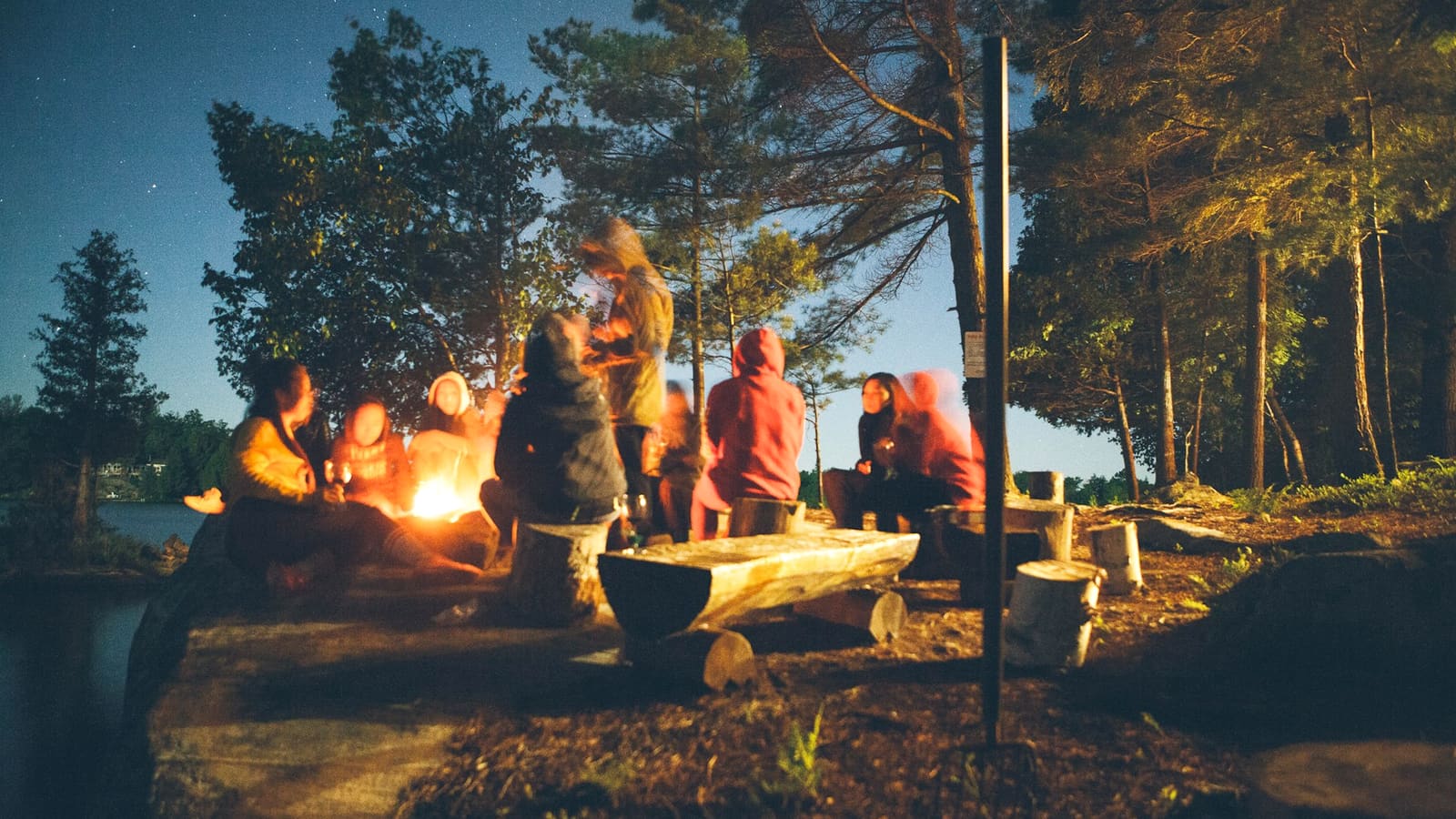
Backpacking with a dog works well when you check land-manager rules before picking a trail (many national parks ban dogs on trails entirely), condition your dog for multi-day mileage the way you would yourself, and carry the gear that covers their food, water, and paw care specifically. Most dog-related problems on trail are mileage or heat related, not behavior related.
The planning is different from planning for yourself mainly in scale: dogs need more water relative to body weight, wear out their pads faster than you'd expect, and can't tell you when something's wrong until it's a real problem.
Check the rules before you pick a trail
Dog access varies enormously by land manager. National parks frequently prohibit dogs on backcountry trails entirely, even on leash, while national forests and BLM land are usually far more permissive. Some wilderness areas require leashes at all times, others allow voice control, and a few popular trail corridors have their own separate dog rules.
Check the specific land manager for every section of a route, not just the trailhead, since permissions can change at boundaries you'd otherwise not notice.
Gear that matters for a multi-day trip
- A properly fitted dog pack, if your dog will carry gear, loaded to no more than about 10 to 15 percent of their body weight and only after they've conditioned with it on shorter hikes
- Booties for rocky, hot, or icy terrain, broken in well before the trip since an ill-fitting bootie causes its own problems
- A collapsible bowl and a way to treat or carry extra water, since dogs can't safely drink from every source you might
- A basic dog first aid kit: vet wrap, tweezers for ticks and burrs, a topical for pad cuts, and any medication your dog needs
- A lightweight leash and a plan for tie-out at camp if your dog isn't reliably voice-controlled
Food and water needs are bigger than people expect
Active dogs on multi-day trips often need considerably more calories per day than at home, sometimes 50 percent or more depending on breed, size, and terrain. Pack a calorie-dense food and weigh it out per day the same way you'd plan your own food.
Water needs scale with heat and exertion more than people expect: offer water at every break, not just when your dog seems thirsty, since dogs often don't self-regulate well in heat and can overheat before showing obvious signs.
Paws take more damage than people realize
Granite, hot pavement-like rock, and sharp scree wear down pads faster than most owners expect, especially on a dog that isn't used to multi-day trail conditions. Check paws at every break and at camp: look for cuts, cracking, or excessive wear, and use booties proactively on abrasive or hot terrain rather than waiting for damage.
Build up trail toughness gradually with shorter hikes before a multi-day trip, the same way you'd build your own conditioning, rather than taking a dog straight from the couch to five days on granite.
Set mileage and pacing around your dog, not your own fitness
Your dog's realistic daily mileage may be lower than yours, especially in heat, at altitude, or on technical terrain, and older or brachycephalic (short-nosed) breeds have real limits worth respecting. Watch for excessive panting, lagging behind, or reluctance to continue as signs to slow down or stop, not push through.
Camp selection matters too: pick sites with reliable water and enough shade or shelter for a dog that can't regulate temperature as well as you might, and plan to shorten a day if conditions or your dog's condition call for it.
Frequently asked questions
Are dogs allowed on national park backcountry trails?
Usually not. Most national parks prohibit dogs on backcountry and wilderness trails entirely, even leashed, though some allow them on a limited set of paved or roadside trails. National forests and BLM land are generally much more permissive; always check the specific land manager.
How much extra food does a backpacking dog need?
Active dogs on multi-day trips often need meaningfully more calories than their normal daily intake, sometimes 50 percent or more depending on the dog, terrain, and weather. Weigh out a calorie-dense food per day rather than guessing.
How much weight can a dog carry in a pack?
A commonly cited guideline is roughly 10 to 15 percent of the dog's body weight for a healthy, conditioned adult dog, loaded evenly and only after the dog has practiced with the pack on shorter hikes first.
How do I know if my dog is overheating on trail?
Excessive panting that doesn't slow with rest, lagging behind, seeking shade repeatedly, or stumbling are warning signs. Stop, offer water, find shade, and cool the dog down; heat stress in dogs can progress quickly and is safer to catch early.