 RidgeSync
Best Time to Go Backpacking, Region by Region
The best time to go backpacking depends entirely on where: desert Southwest trails peak October through April, avoiding summer heat that can exceed 100°F, while the High Sierra and Cascades don't fully open until July through September, after snowpack melts out of high passes. Eastern trails run two windows, April through June and September through October, sidestepping both winter closures and the worst of summer humidity and bugs.
Getting the season wrong is the single biggest planning mistake behind miserable trips, a gorgeous High Sierra trail in June can mean waist-deep snow and unfordable creeks, and permits are often tied to these same windows.
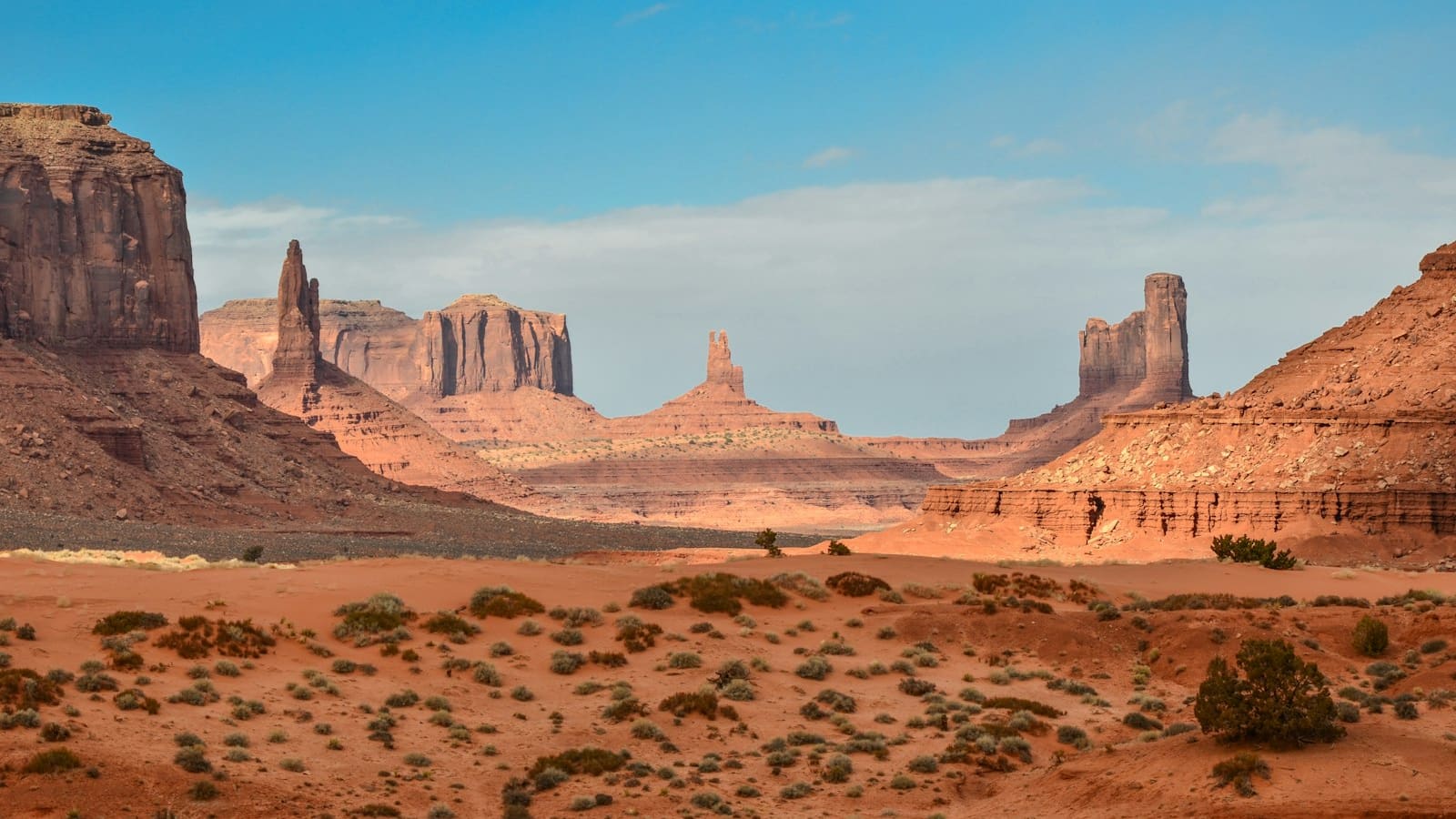
Desert Southwest: October through April
- October to November: excellent, daytime highs cool to 60 to 75°F, nights drop to 30 to 45°F
- December to February: cold but hikeable at lower elevations, nights can hit 20s°F, pack accordingly
- March to April: peak season, mild days, wildflowers in good years, before summer heat arrives
- May to September: avoid or hike only pre-dawn, daytime highs regularly exceed 100°F and water sources dry up
Quotable takeaway: in the desert, the calendar is really a heat calendar, plan around triple-digit summer temperatures, not around foliage or snow.
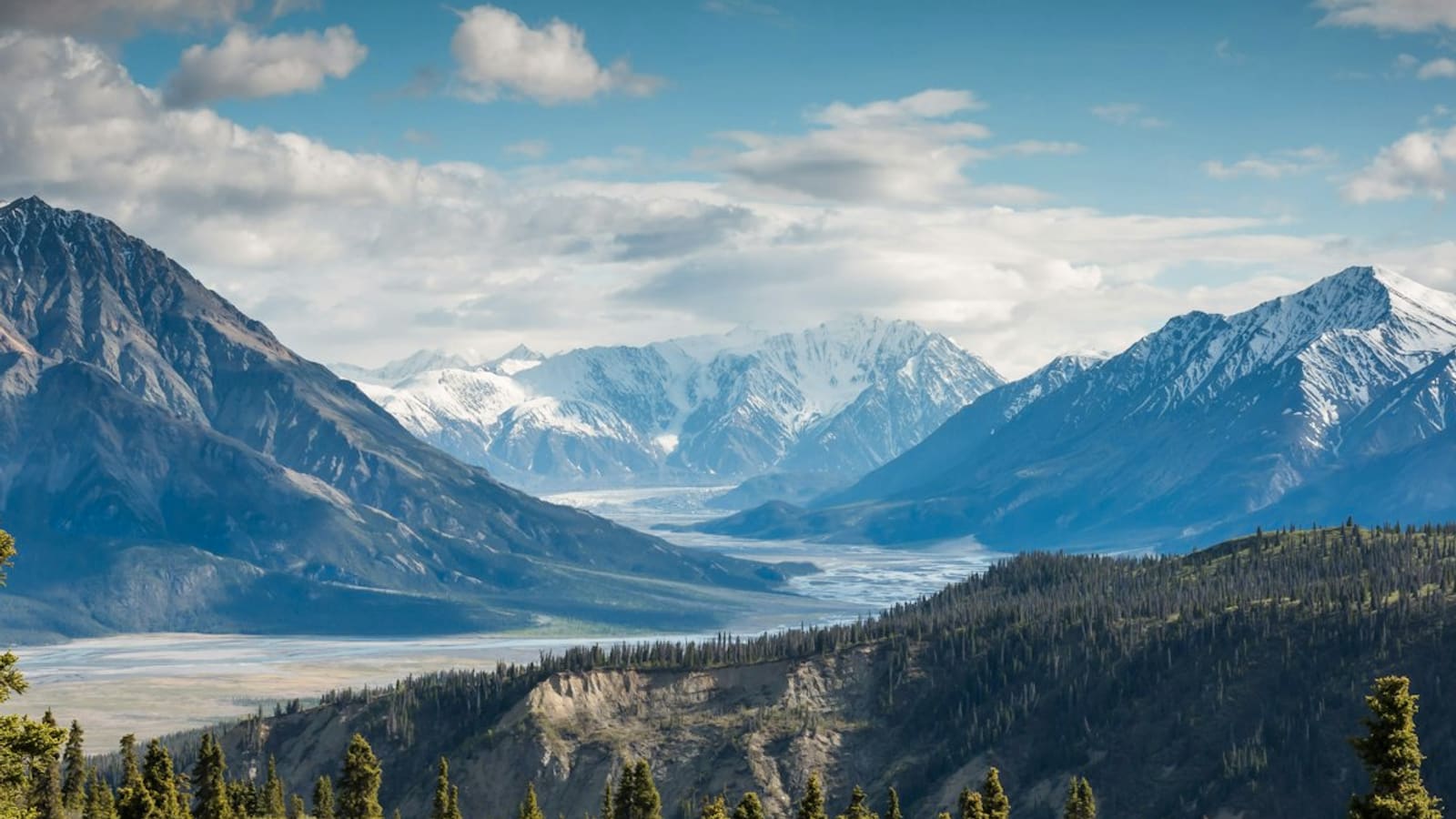
High Sierra and Cascades: July through September
- June: passes and high trails often still under significant snowpack in average or heavy-snow years, creek fords can be dangerously high with snowmelt
- July: melt-out arrives in most years by mid-to-late July for higher passes (10,000+ ft), though bugs peak in early July right after melt
- August: the sweet spot, trails clear, creek crossings manageable, bugs fading
- September: excellent, cooler nights, fewer crowds, but watch for early season storms and shorter daylight
- October+: winter conditions return at elevation, most high routes close or become mountaineering objectives
Snowpack varies year to year, check current-season snow survey data before a June or early-July high-elevation trip rather than assuming last year's timeline repeats.
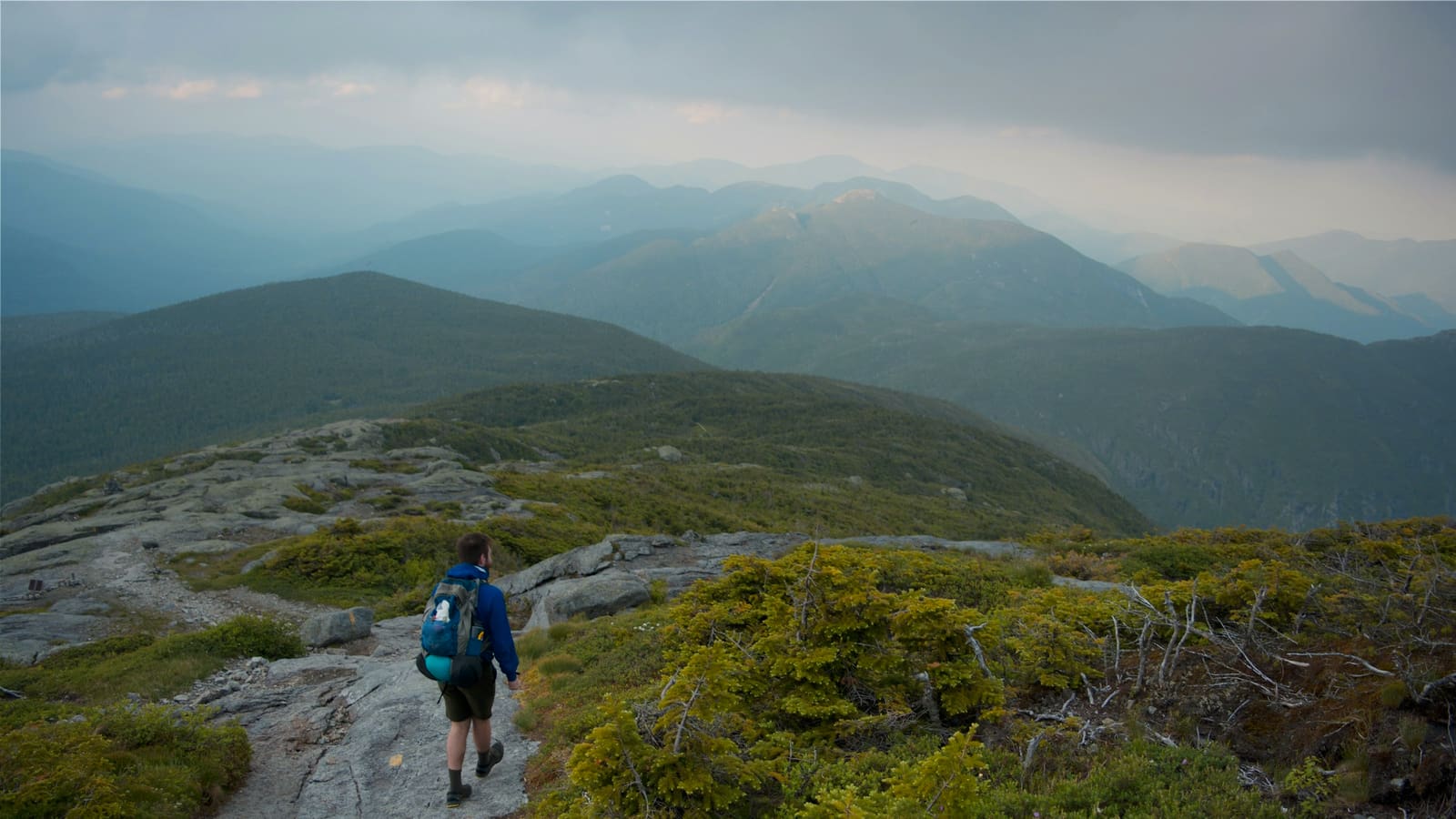
The East: two windows, spring and fall
- April to June: trails reopen after mud season, wildflowers and green-up, but expect black flies and mosquitoes peaking in late May through June, especially in the Northeast and Appalachians
- July to August: hikeable but hot, humid, and buggy across most of the East, with afternoon thunderstorms common
- September to October: the best window, cooling temperatures, fall foliage, and bugs largely gone
- November to March: snow and ice at higher elevations (White Mountains, Adirondacks, Smokies balds), requires winter skills and gear
Quotable takeaway: for most Eastern trails, September and early October deliver the best combination of comfortable temperatures, low bug pressure, and dry trail conditions.
Reading snowpack and melt-out logic
High-elevation trails don't open on a fixed calendar date, they open once snowpack drops low enough for safe travel and ford-able creeks, which shifts by weeks depending on the winter's total snowfall. A heavy-snow winter can push melt-out a month later than an average year, while a drought winter can open passes weeks early.
Before a high-elevation trip in June or early July, check recent trip reports and snow survey data for your specific range rather than relying on 'usually opens by' rules of thumb, conditions this specific season are what matter, not a five-year average.
Aligning your trip with permit season
Permitted trails and wilderness areas often release quotas on a schedule tied to the same seasonal windows above, popular High Sierra and desert permits frequently open for reservation months ahead of the actual hiking season and sell out for peak weekends within hours. Decide your target season early, then check that specific trail's permit release date so you're not locked out of your preferred window by the time you go to book.
Shoulder-season trips (the weeks just before or after a region's peak window) are usually far easier to permit and much less crowded, worth considering if trail conditions cooperate.
Frequently asked questions
What is the best time of year to go backpacking?
It depends on region: desert Southwest trails are best October through April, the High Sierra and Cascades open July through September after snowmelt, and Eastern trails are best April through June and September through October.
When does High Sierra snow melt out for backpacking?
Most high passes above 10,000 feet clear by mid-to-late July in an average year, though this shifts by weeks depending on that winter's total snowpack. Check current-season snow survey data rather than assuming a fixed date.
When is desert backpacking too hot?
Avoid desert Southwest trails from roughly May through September, when daytime highs regularly exceed 100°F and water sources dry up. October through April offers the mildest, safest conditions.
When are bugs worst for backpacking?
Bug pressure peaks in early summer: late May through June in the Northeast and Appalachians, and early July right after snowmelt in the High Sierra and Cascades. Late summer and fall are far less buggy in most regions.
When should I apply for a backpacking permit?
Popular permits, especially in the High Sierra and desert Southwest, often open for reservation months before the hiking season and sell out for peak weekends within hours. Pick your target season early and check that trail's specific release date.