 RidgeSync
Desert Backpacking: Water, Heat, and Navigation Guide
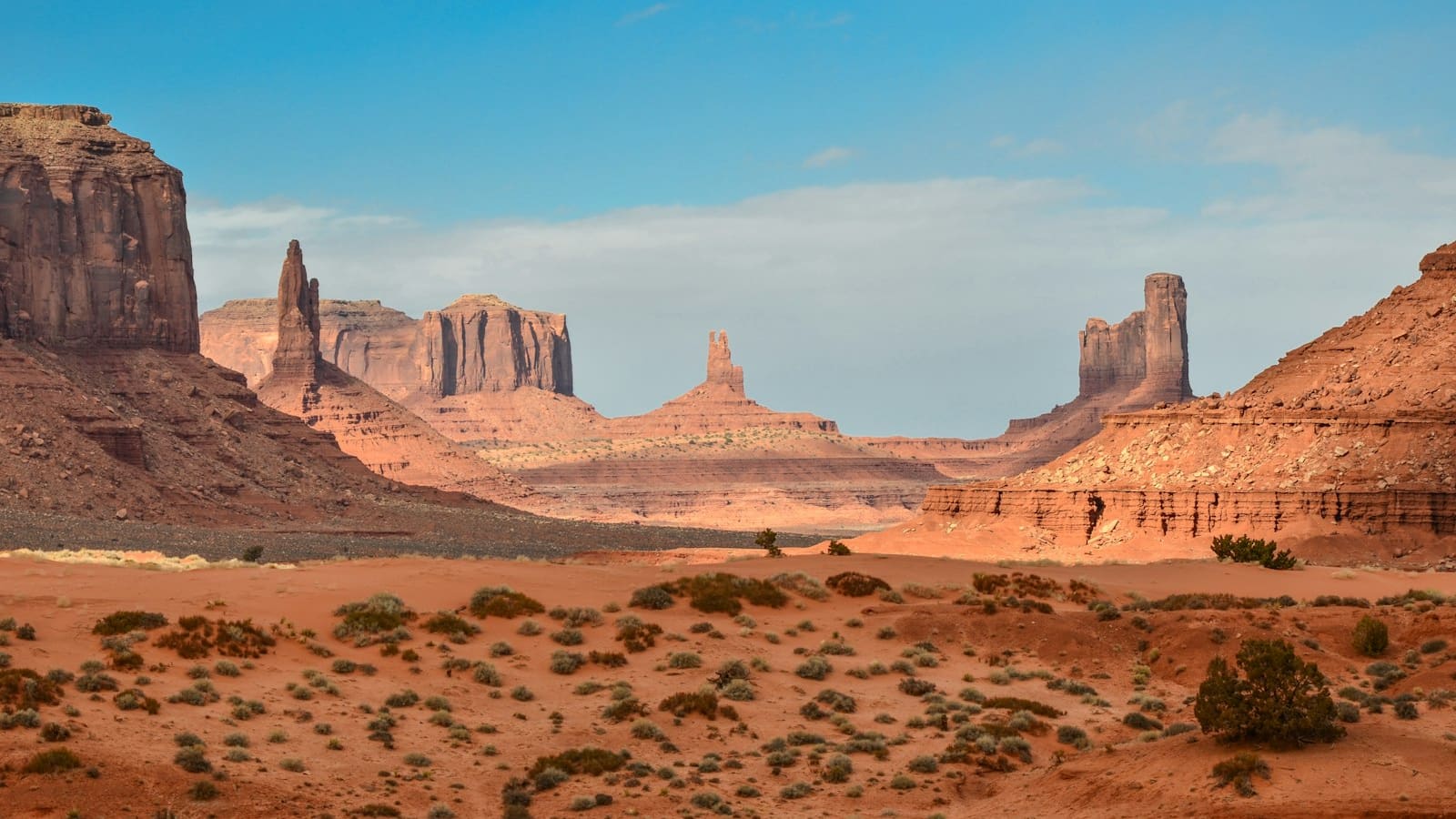
Desert backpacking runs on a different set of rules than forest or alpine trips: plan on roughly 1 gallon (about 4 liters) of water per person per day, hike the hottest hours in the shade instead of on the move, and stick to the October-April window when daytime highs are survivable rather than dangerous.
Add in real flash-flood risk, navigation across slickrock and wash country with few marked trails, and fragile cryptobiotic soil crusts, and the desert rewards a more deliberate planning approach than most other backpacking terrain.
Water: caching, carries, and the 1-gallon rule
Plan on 1 gallon per person per day as a baseline in hot, dry conditions, more if you're covering serious mileage or temperatures push past 90°F. That's roughly 8-9 lb of water per person per day, quickly the heaviest thing in your pack on routes without reliable sources.
Where the route allows vehicle access, caching water ahead of time (dropping sealed jugs at a trailhead or accessible point) is far more efficient than carrying it all from the start. Mark caches clearly, shade them, and always have a backup plan in case a cache is disturbed.
- Confirm any natural water sources are current before you go, desert springs and potholes vary drastically by season and recent rain
- Treat all natural water sources, desert water is not exempt from giardia or bacterial contamination
- Carry more capacity (bladders or extra bottles) between water points than a similar-mileage forest trip, since sources are sparser and less reliable
Heat timing: hike early, rest through the peak
Start hiking at or before sunrise and plan to be resting in shade through the hottest stretch of the day, typically late morning through mid-afternoon. Splitting mileage into an early-morning push and a late-afternoon push, with a long shaded break between, dramatically cuts heat exposure compared to hiking straight through midday.
Watch for early signs of heat illness: heavy sweating that suddenly stops, nausea, confusion, or stopping urine output are reasons to stop, cool down, rehydrate with electrolytes, and seek shade immediately. Heat exhaustion that progresses to heat stroke (altered mental state, hot dry skin, very high body temperature) is a medical emergency requiring evacuation.
Flash floods and slot canyon safety
Flash floods can move through a slot canyon or wash with no warning even if it isn't raining where you are, storms miles upstream can send a wall of water down a dry channel in minutes. Check the forecast for the entire watershed above your route, not just your location, before entering any canyon.
If you notice rising water, debris, a sudden temperature drop, or a distant roar, get to higher ground immediately, don't wait to confirm. Avoid entering narrow canyons when rain is forecast anywhere upstream, even under clear sky.
Navigation without marked trails
Much desert backpacking crosses slickrock, open wash bottoms, or cross-country terrain with few or no maintained trails and few landmarks that look different from every angle. A topo map, compass, and GPS track are essential rather than optional, cairns can be sparse or absent entirely.
Cross-country navigation leans heavily on reading terrain: following washes as natural handrails, tracking elevation contours, and taking regular bearings rather than relying on a visible tread. Planning your route and elevation profile ahead of time on a map matters more here than on a route with an obvious trail underfoot.
Protecting cryptobiotic soil
Cryptobiotic soil, the dark, bumpy biological crust common across the desert Southwest, is alive: it stabilizes soil and can take 50-100 years to recover from a single footprint. Walking on it crushes it instantly, damage that's essentially permanent on a human timescale.
Stay on established trails, slickrock, or sandy washes, and if you must cross crypto soil, step on rock or existing disturbed paths rather than the dark crust itself.
Frequently asked questions
How much water do I need for desert backpacking?
Plan on roughly 1 gallon (about 4 liters, 8-9 lb) per person per day as a baseline in hot, sunny conditions, more with high mileage or temperatures above 90°F. Cache water ahead of time where the route allows vehicle access.
What is the best season for desert backpacking?
October through April is the standard window across most of the desert Southwest, when daytime highs are manageable and overnight lows, while cold, are workable with a proper sleep system. Summer heat makes many routes dangerous.
How do I stay safe from flash floods while backpacking in a canyon?
Check the forecast for the entire watershed upstream, not just your location, before entering any slot canyon or narrow wash. If you notice rising water, debris, or a distant roar, move to higher ground immediately rather than waiting to confirm.
How do you navigate desert backpacking routes without marked trails?
Carry a topo map, compass, and a downloaded GPS track, then navigate by reading terrain: following washes as handrails, tracking contour lines, and taking regular bearings, since cairns are often sparse or absent.
What is cryptobiotic soil and why should I avoid stepping on it?
It's a living, dark, bumpy soil crust common in the desert Southwest that stabilizes soil and can take 50-100 years to recover from a single footprint. Stay on trails, slickrock, or sand, and avoid stepping on the crust directly.