 RidgeSync
Shoulder Season Backpacking: Gear, Hazards, and Empty Trails
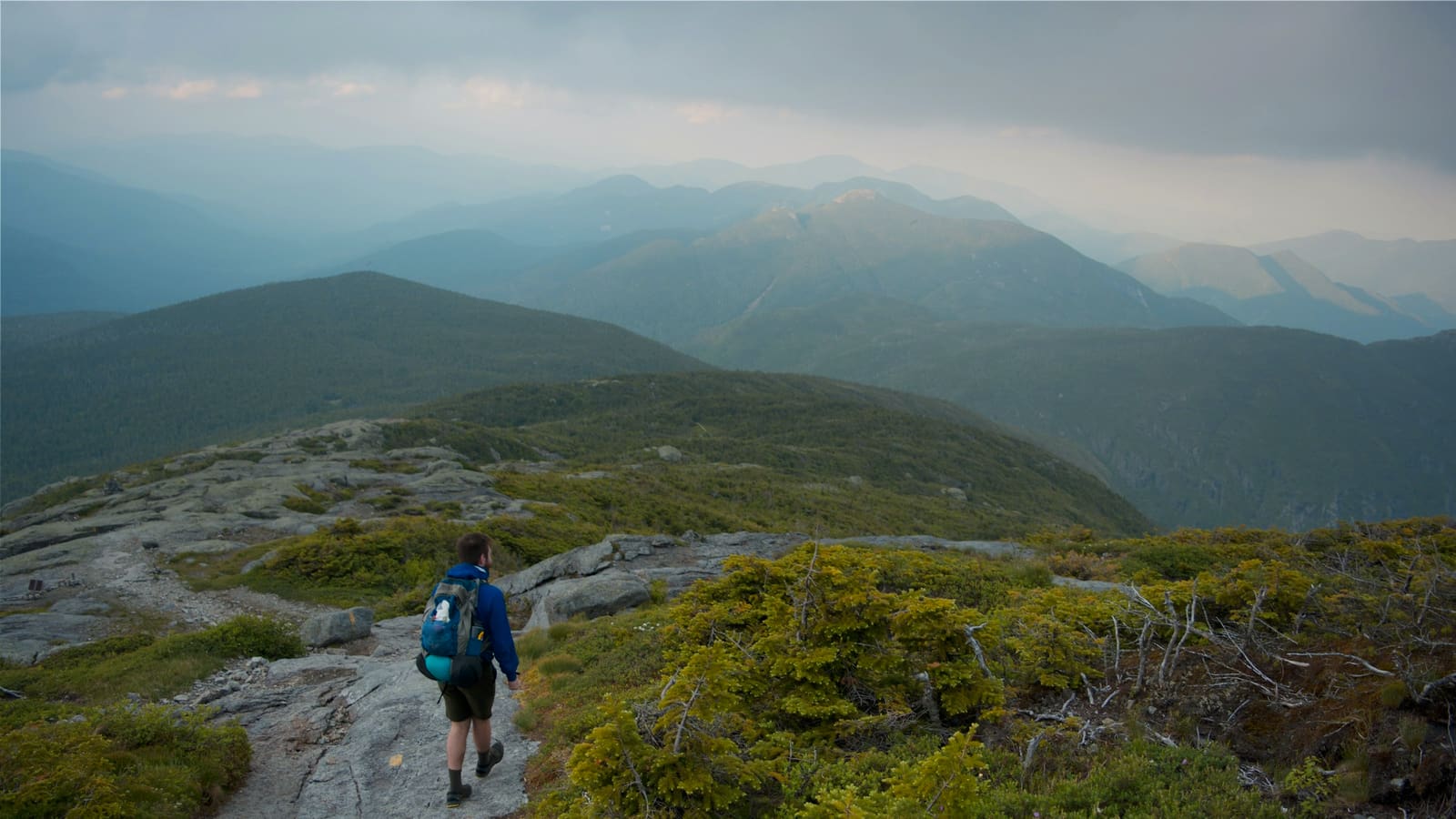
Shoulder season backpacking, roughly September through October and April through June, rewards hikers who plan carefully: trails packed in July sit nearly empty, bugs are gone or not yet out, and permits are far easier to get. The tradeoff is real risk, early storms, short days, cold nights, and lingering snow show up with less warning than in peak summer, demanding a warmer sleep system and a sharper eye on the forecast.
A trip that would be routine in August can turn dangerous in late September if a hiker packs peak-summer gear and gets caught by an early storm above treeline.
Why shoulder season is worth planning for
- Trails that see 50+ hikers a day in July can drop to single digits in late September or early June
- Bugs are largely gone in fall and haven't hatched yet in early spring, a real quality-of-life difference on humid Eastern trails
- Permits and campsite reservations are dramatically easier to get, often available same-week instead of months out
- Fall foliage and spring wildflower blooms offer scenery peak summer doesn't
Quotable takeaway: the same trail that requires a permit lottery in July is often wide open two weeks after Labor Day, for a small increase in risk and a bit more gear weight.
The hazards that catch people off guard
Early and late-season storms move in faster and hit harder than summer weather, and forecasts are less reliable further out, check daily as your trip approaches. Above treeline especially, a clear morning can turn into a whiteout or freezing rain by afternoon with little warning.
- Short days: fall and early spring can mean 10 to 11 hours of daylight versus 15 in June, cutting your hiking window significantly
- Cold nights: temperatures can drop 20 to 30°F below a summer baseline at the same elevation, especially once clear skies let heat radiate out overnight
- Lingering or early snow: north-facing slopes and high passes can hold snow into June or collect it again by late September, well outside what maps or trip reports from midsummer suggest
- Fewer people on trail: less help nearby if something goes wrong, and some seasonal services may already be closed
Evacuate or turn back early at the first sign of an approaching storm above treeline, or if daylight won't get you to a safe camp, shoulder-season margins are thinner than summer's.
Gear adjustments for shoulder season
- Upgrade your sleep system by about 10°F
Bring a bag or quilt rated roughly 10°F warmer than you'd use for the same location in summer. A 20°F bag that's fine in July may leave you cold on a clear, radiational-cooling night in late September.
Tip A liner adds 5 to 15°F of range cheaply if you don't want to buy a second bag.
- Add traction and trekking poles
Microspikes (8 to 12 oz) handle icy patches or morning frost on trail that summer hikers never encounter. Trekking poles help far more on slick or snow-patched terrain than on dry summer trail.
- Layer for a bigger temperature swing
Pack an insulated layer heavier than your summer kit, shoulder-season days can swing 40 to 50°F between a cold morning start and a mild midday, then back down fast at sunset.
- Carry a headlamp with real battery life
Shorter daylight means a higher chance of finishing a hike or setting up camp in the dark. Fresh batteries and a backup are worth the extra ounce.
Water availability shifts
Fall water sources can be surprisingly unreliable, seasonal creeks fed by summer snowmelt or monsoon rain often dry up completely by September and October, especially in the West. Spring is the opposite problem, snowmelt swells creeks to dangerous fording levels, and a crossing that's a rock-hop in August can be hazardous in May.
Check recent trip reports for your specific window rather than assuming a summer source list still applies, and in fall, carry extra capacity or plan camps around confirmed, reliable sources.
Daylight math for shoulder-season days
Plan hiking days around actual sunrise and sunset for your dates, not a rough summer memory, since shoulder-season daylight can run 4 to 5 hours shorter than a June day. Build in a real buffer, aim to reach camp at least an hour before sunset, since temperatures drop fast once the sun is low and setting up camp in near-dark cold is harder than it sounds.
Start earlier rather than hiking later, mornings are typically calmer and any weather risk is more visible in daylight than after dark.
Frequently asked questions
What counts as shoulder season for backpacking?
Roughly September through October in fall and April through June in spring, the windows between a region's peak summer season and full winter conditions. Exact timing varies by region and elevation.
What gear changes do I need for shoulder season backpacking?
Bring a sleep system rated about 10°F warmer than summer, add microspikes and trekking poles for icy or snow-patched trail, pack a heavier insulated layer, and carry a reliable headlamp for shorter daylight.
Is shoulder season backpacking safe?
Yes with the right preparation, but margins are thinner than summer: early storms, cold nights, and lingering snow arrive with less warning. Check forecasts daily and turn back early at any sign of an approaching storm above treeline.
Are water sources reliable during shoulder season?
Not always, fall creeks fed by summer snowmelt or monsoon rain often dry up by September and October, while spring snowmelt can swell crossings to dangerous levels. Check recent trip reports rather than a summer source list.
How much daylight do I have for shoulder-season hiking?
Often 10 to 11 hours versus roughly 15 in June, depending on latitude and date. Plan to reach camp at least an hour before sunset and start hiking earlier rather than pushing into dusk.