 RidgeSync
How to Pack a Backpack: Weight Distribution and Order
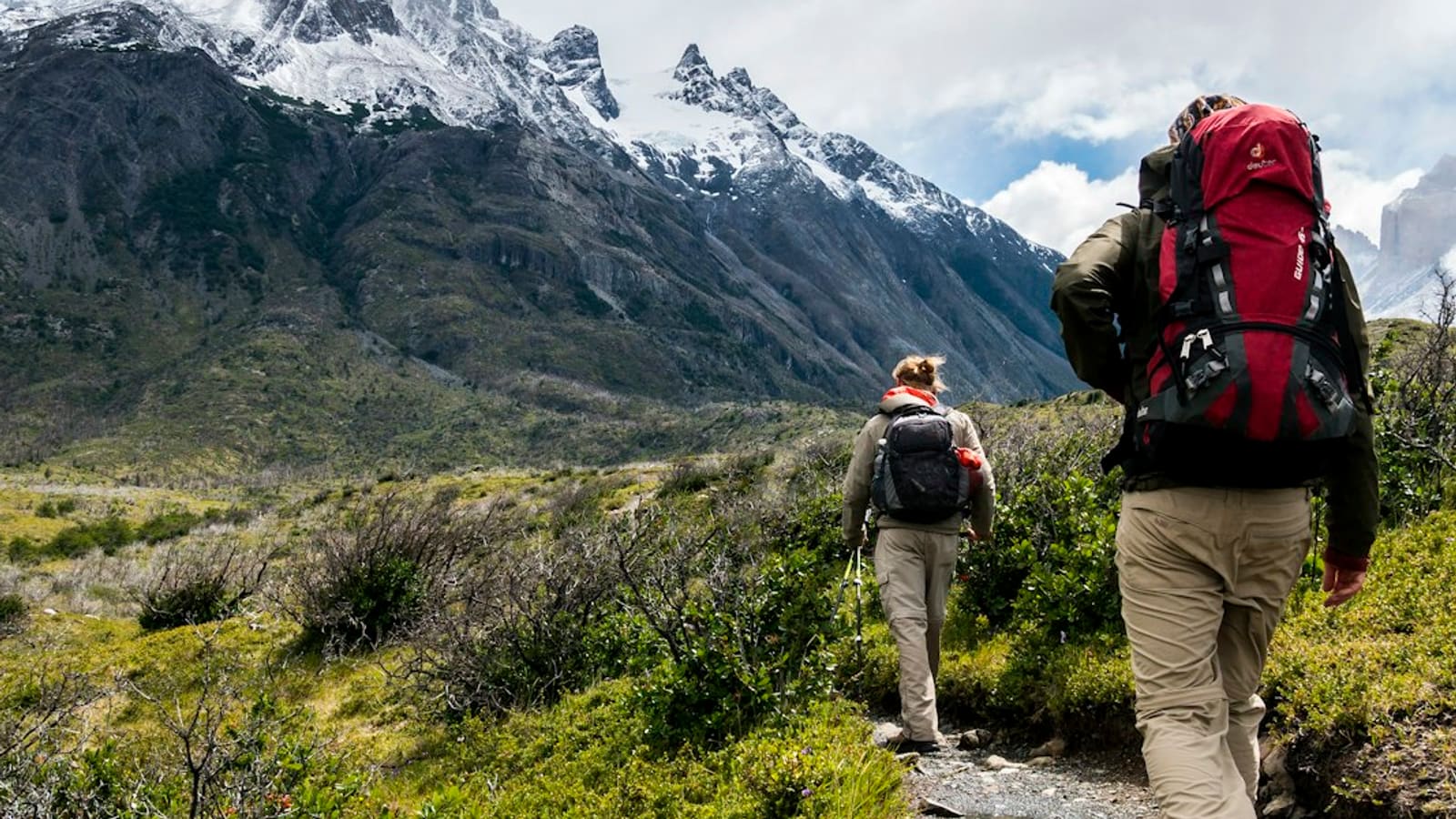
Pack a backpack in three zones: heavy items (food, water, bear canister) close to your back and centered between your shoulder blades, medium-weight items (clothing, cook kit) around them, and light items (sleeping bag, puffy jacket) at the bottom and top. Getting this order wrong is the most common reason a pack feels heavier than its actual weight on the scale.
Good packing is about where weight sits against your body, not just how much you're carrying. Here's the zone-by-zone breakdown, plus what should stay accessible without unpacking your whole bag.
The bottom zone: light, soft, rarely needed
Your sleeping bag or quilt goes at the very bottom. It's light, compressible, and you won't touch it again until camp, so it's the correct item to bury. A stuffed puffy jacket or extra insulation layer can go alongside it if you're not planning to need it during the day.
This zone exists to use otherwise-wasted space at the bottom of the pack efficiently, not to carry weight. Keep anything heavy out of it.
The core zone: heavy items, close and centered
Everything heavy, food, bear canister, water reservoir, fuel, and cook pot, belongs in the core of the pack, centered between your shoulder blades and as close to your spine as the pack's frame allows. This is the single biggest factor in how a loaded pack feels: weight carried close to your center of gravity transfers efficiently through your hips, while weight riding far from your back (or low and swinging) pulls you backward and wears out your shoulders.
A bear canister is the trickiest item here since it's rigid and dense: most backpackers lay it horizontally in the main body of the pack, wedged so it can't shift, rather than trying to strap it on the outside where it swings and unbalances the load.
The top and outer zone: quick access
- Rain jacket or shell, in case weather turns fast
- Snacks for the day, so you're not digging through the whole pack at a break
- Map, compass or GPS, and your phone
- Headlamp, in case you're still moving at dusk
- First aid basics and any medication you might need mid-day
The lid pocket and hip belt pockets exist specifically for this category. Anything you'd want without fully stopping and unpacking should live here, not buried in the core.
Balance, compression, and outside straps
Once the pack is loaded, check side-to-side balance by lifting it and feeling for lean in either direction; redistribute if one side feels heavier. Use compression straps to cinch the load tight against the frame so gear can't shift and swing while you walk, which is a bigger comfort factor than most people expect.
Save external straps for bulky, low-density items like a sleeping pad or trekking poles when not in use, not for heavy gear. Anything strapped to the outside acts as a lever arm and makes the pack feel less stable the farther it sits from your back.
Frequently asked questions
Where should the heaviest items go in a backpack?
Heavy items like food, water, and a bear canister should sit in the core of the pack, centered between your shoulder blades and as close to your back as the frame allows. This keeps weight over your hips instead of pulling you backward.
Should my sleeping bag go at the top or bottom of my pack?
At the bottom. It's light and compressible, and you only need it at camp, so it's the correct item to load first and dig out last.
How do I pack a bear canister without it throwing off my balance?
Lay it horizontally in the main body of the pack, as centered and close to your back as possible, and wedge other soft items around it so it can't shift. Strapping it to the outside makes the pack far less stable.