 RidgeSync
Thru Hiking for Beginners: How to Get Started
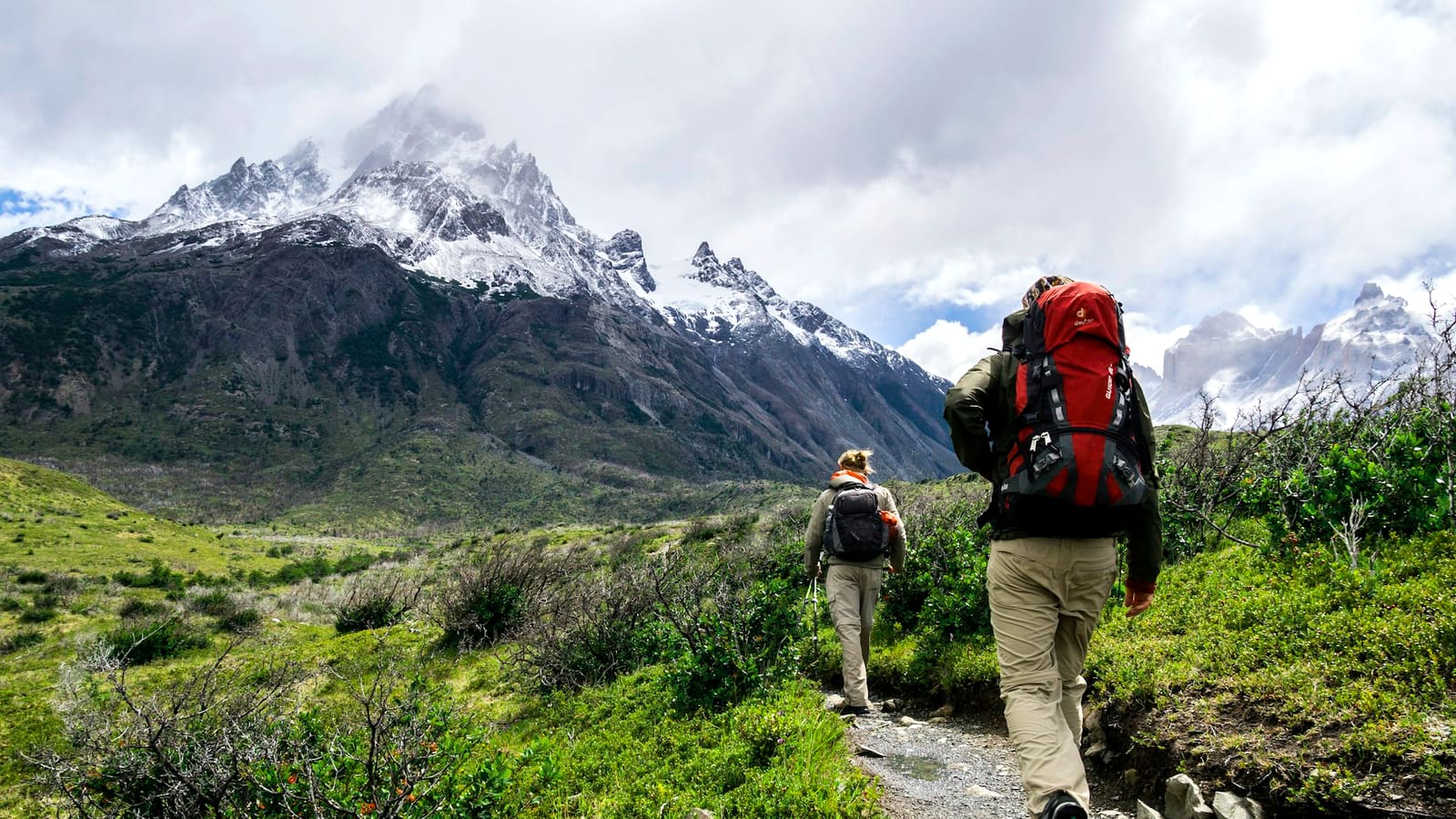
Thru-hiking means hiking a long-distance trail end to end in one continuous trip, from a multi-week section of a few hundred miles up to the Appalachian Trail's roughly 2,190 miles or the Pacific Crest Trail's roughly 2,650 miles. Most beginners get there by starting smaller: a 3-7 day shakedown hike first, then a mileage progression, before committing months and $1,000-2,000 a month to a full trail.
You don't need to have backpacked for years to plan a thru-hike, but you do need a realistic on-ramp. Here's how to build one.
What thru-hiking actually is
A thru-hike is a single, continuous end-to-end hike of a long trail, as opposed to a section hike (one piece of a trail, done over one or multiple trips) or a series of shorter trips. The Appalachian Trail (about 2,190 miles, Georgia to Maine) and Pacific Crest Trail (about 2,650 miles, Mexico to Canada) are the two most attempted full thru-hikes in the US, typically taking 4-6 months to complete.
Long section hikes, doing a few hundred miles of a major trail over a few weeks, are a legitimate and popular way to experience thru-hiking culture and logistics (resupply, trail towns, daily mileage rhythm) without committing to a multi-month trip. Many first-time thru-hikers start here rather than jumping straight to a full trail.
Start with a shakedown hike
Before committing to weeks or months on trail, do a 3-7 day trip with the exact gear, pack weight, and daily mileage you're planning to use for real. This surfaces problems (gear that doesn't work, a pack that isn't comfortable, a base weight that's too heavy) while you can still fix them, instead of discovering them 200 miles in.
Treat it as a real test, not a fun weekend with different rules: sleep in your actual shelter, eat your actual planned food, and hike back-to-back days to see how your body holds up on day 2 and 3, not just day 1.
Build a mileage progression
Most successful thru-hikers don't start at their eventual cruising pace. A common progression looks like 8-12 miles a day for the first week or two, working up to 15-20+ mile days by weeks 3-4 as trail legs develop. Trying to hit big-mile days from day one is one of the most common causes of overuse injuries early on trail.
Elevation gain matters as much as raw mileage: a 15-mile day with 4,000 ft of climbing takes far longer and costs far more energy than 15 flat miles. Use a pace estimate like Naismith's rule (1 hour per 3 miles, plus 1 hour per 2,000 ft of gain) when planning early-trail days so your mileage targets match the terrain, not just a number on a map.
Understand resupply before you start
Resupply means restocking food at towns or mail drops along the trail, since you can't carry months of food at once. Most thru-hikers resupply every 3-5 days, either buying food in trail towns as they go or mailing themselves boxes ahead to remote stops.
Buying as you go is simpler and flexible if your pace changes; mail drops help in remote areas with limited stores or for specific dietary needs. Many hikers use a mix, buying in town when options are good and mailing boxes only where they aren't.
Budget and permits
A commonly cited budget for a full thru-hike is $1,000-2,000 per month, covering food, town stops, lodging breaks, gear replacement, and transportation, though it varies widely with hiking style and how often you take zero days in town. Add in upfront gear costs before you even start hiking if you're building a kit from scratch.
Major trails increasingly require permits: thru-hike-specific permits for entire trails, plus separate wilderness permits for national parks the trail passes through (several stretches on the PCT and AT cross park land with their own permit systems). Research permit requirements for your specific trail and year well before your start date, since some are lottery-based and fill months in advance.
Frequently asked questions
How long is the Appalachian Trail vs the Pacific Crest Trail?
The Appalachian Trail is about 2,190 miles from Georgia to Maine. The Pacific Crest Trail is about 2,650 miles from Mexico to Canada. Both typically take 4-6 months to thru-hike.
How do beginners start thru-hiking?
Start with a 3-7 day shakedown hike using your actual gear and planned pace, then consider a long section hike of a few hundred miles before committing to a full multi-month thru-hike.
How much does a thru-hike cost per month?
A commonly cited range is $1,000-2,000 per month, covering food, town stops, occasional lodging, gear replacement, and transportation, on top of any upfront gear costs.
How often do thru-hikers resupply?
Most resupply every 3-5 days, either buying food in trail towns along the way or mailing themselves boxes ahead of time to more remote stops. Many hikers use a mix of both.
Do you need a permit to thru-hike the AT or PCT?
Yes. Both trails have thru-hike-specific permits, plus separate wilderness permits for the national parks the trail passes through. Some are lottery-based, so check requirements for your trail and year well ahead of your start date.