 RidgeSync
Ultralight Backpacking Basics: Where the Weight Actually Goes
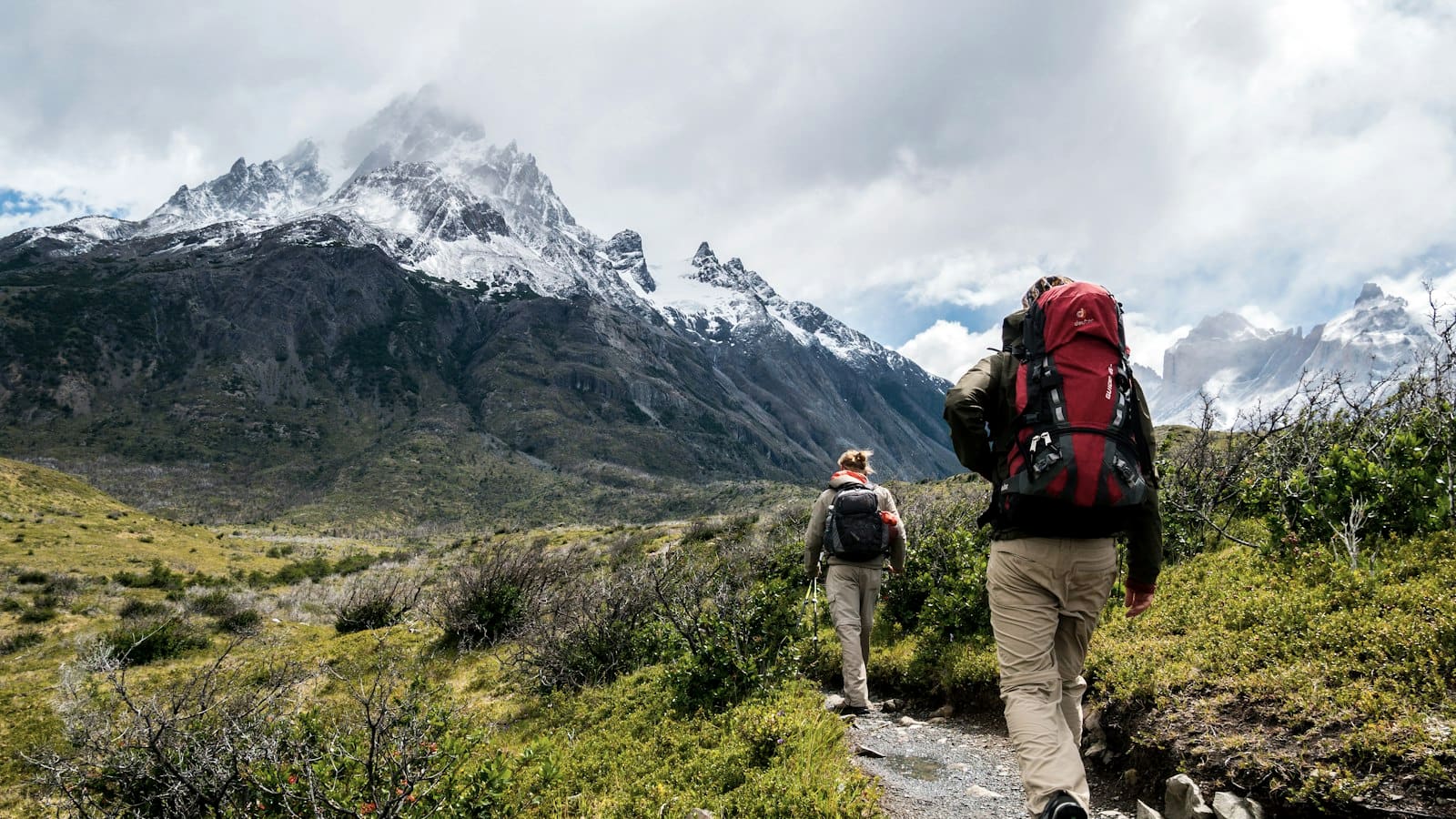
Ultralight backpacking means targeting a base weight (everything except food, water, and fuel) under 10 pounds, compared to 20 to 30 pounds for a traditional setup. The fastest way to get there isn't buying dozens of small titanium items, it's replacing the big three: pack, shelter, and sleep system, which usually account for more than half of total base weight.
Going ultralight is a series of trade-offs, not a free upgrade. Here's where the real weight savings live and where cutting further starts to cost you comfort or safety margin.
Base weight math: what actually counts
Base weight is your total pack weight minus consumables (food, water, fuel) and the clothing you're wearing. It's the number ultralight hikers optimize because it's the weight you carry regardless of trip length, while food and water scale with days and distance between resupplies.
A traditional backpacker often runs 20 to 30 pounds of base weight. Lightweight backpacking targets roughly 10 to 20 pounds, and ultralight targets under 10. None of these numbers include your food, water, or the clothes on your back.
The big three: where most of the weight lives
- Pack: a frameless or minimal-frame ultralight pack can weigh 1.5 to 2.5 lb versus 4 to 6 lb for a traditional pack, but carries loads less comfortably above roughly 30 lb
- Shelter: a trekking-pole-supported tarp or single-wall tent can weigh 1 to 2 lb versus 4 to 6 lb for a traditional double-wall tent
- Sleep system: a quilt instead of a mummy bag, paired with a lighter inflatable pad, commonly saves 1 to 2 lb over a traditional bag and pad combo
Upgrading just these three items, without touching anything else in your kit, typically cuts 5 to 10 pounds. That's a bigger single change than optimizing every small item in your pack combined.
Smaller cuts that add up
After the big three, weight comes off in ounces: a lighter stove, a smaller pot, a shorter sleeping pad, fewer clothing changes, and repackaging food to remove bulky store packaging. None of these single changes matter much on their own, but a dozen half-ounce decisions add up to a pound or two over a full kit.
This is also where the diminishing returns start: cutting your stove is nearly free, cutting your first aid kit or rain layer is not. Weigh every item, but weigh the consequences too.
Where lighter starts to mean riskier
Ultralight gear generally trades durability and margin for weight. A frameless pack carries less comfortably once loaded with cold-weather gear or a bear canister. A minimal tarp shelter offers less protection in sustained bad weather or bugs. A 20-degree quilt with no hood is colder than its rating suggests if the night runs cooler than expected.
The experienced approach is to go ultralight on items where the failure mode is just discomfort (a slightly cold night, a less plush camp chair you never bought) and stay conservative on items where the failure mode is a real safety issue: rain protection, insulation margin, navigation, and first aid. Base weight is a means to move faster and farther on trail, not the goal itself.
Frequently asked questions
What counts as ultralight base weight?
Base weight under 10 pounds, meaning everything in your pack except food, water, fuel, and the clothes you're wearing while hiking. Lightweight backpacking is typically 10 to 20 pounds base weight.
What's the fastest way to cut pack weight?
Upgrade the big three: pack, shelter, and sleep system. These three items are usually more than half of total base weight, so replacing them cuts far more weight than optimizing dozens of small accessories.
Is ultralight gear less safe?
It can trade away margin, not safety outright. Ultralight shelters and sleep systems perform worse in sustained bad weather, and frameless packs carry heavy loads less comfortably. Go light on comfort items, stay conservative on rain gear, insulation, and navigation.